- Travellers Choice
- Private Safaris
- Travellers Choice
- Private Safaris
- exclusive Safaris
- personalised excursions
Africa is synonymous with extraordinary wildlife, breathtaking landscapes, and unforgettable safari experiences. Among the many reasons travelers visit the continent, one adventure stands above the rest—the opportunity to encounter the legendary Big Five in their natural habitat. A Big Five Africa safari in Kenya and Tanzania offers an unparalleled chance to witness the continent’s most iconic wildlife while exploring two of Africa’s most celebrated safari destinations.
At Twinkle Star Tours, we believe that a safari is much more than a holiday—it’s an immersive journey into the heart of nature. Whether you’re watching a pride of lions basking in the golden morning sun in the Masai Mara National Reserve, photographing giant elephants beneath the majestic backdrop of Mount Kilimanjaro in Amboseli National Park, or tracking the elusive leopard through the acacia woodlands of the Serengeti National Park, every game drive tells a unique story.
Kenya and Tanzania together form one of the richest wildlife ecosystems on Earth. Their protected national parks, game reserves, and private conservancies are home to thousands of mammals, hundreds of bird species, and some of Africa’s most successful conservation initiatives. These neighboring countries also share the world-famous Serengeti-Mara ecosystem, where wildlife moves freely across borders in search of food and water, creating spectacular safari experiences throughout the year.
Whether you’re planning a luxury honeymoon, a family wildlife holiday, a photographic safari, or your first African adventure, a Big Five safari in Kenya and Tanzania promises close encounters with Africa’s most magnificent animals while introducing you to diverse landscapes, vibrant cultures, and world-class hospitality.
In this comprehensive guide, Twinkle Star Tours explores everything you need to know about planning the perfect Big Five Africa safari, including the best destinations, the ideal travel seasons, where to see each of the Big Five, and expert travel tips to help you make the most of your East African safari.
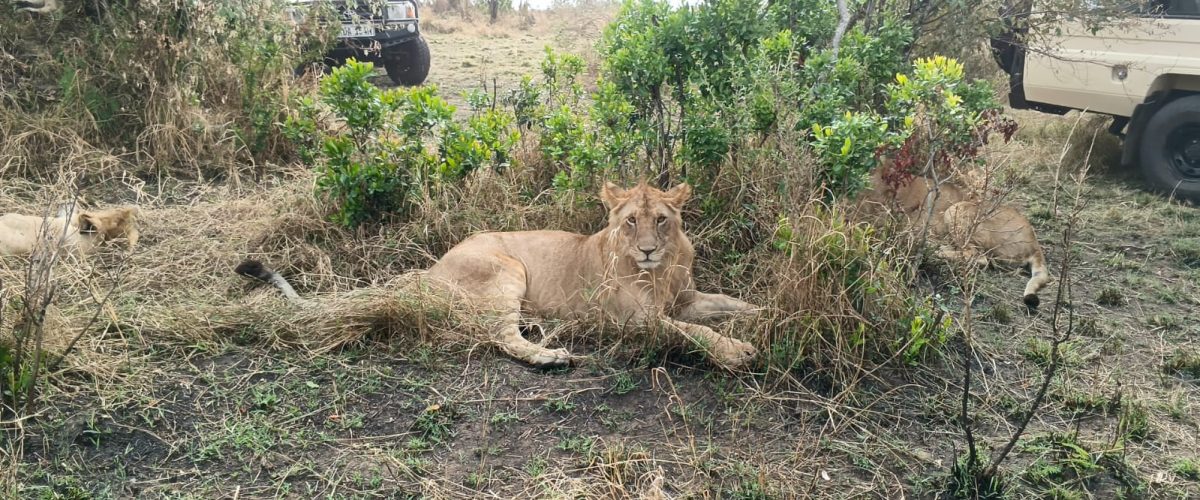
The term Big Five refers to five of Africa’s most iconic large mammals:
Contrary to popular belief, the name does not refer to the biggest animals in Africa. Instead, it originated during the early 20th century when professional hunters used the term to describe the five most dangerous and difficult animals to hunt on foot. Today, the meaning has evolved completely. Modern travelers pursue the Big Five with cameras instead of rifles, making wildlife conservation and responsible tourism the heart of every safari experience.
Spotting all five animals during a single safari is considered one of Africa’s greatest travel achievements. Thanks to the incredible wildlife densities found in Kenya and Tanzania, visitors have excellent opportunities to complete their Big Five checklist within one itinerary.
Although several African countries offer Big Five safaris, Kenya and Tanzania remain the gold standard for wildlife enthusiasts. Together, they offer an unmatched combination of wildlife abundance, spectacular scenery, excellent safari infrastructure, experienced guides, and diverse accommodation options.
Kenya and Tanzania are home to some of the largest protected wildlife areas in Africa. From the sweeping grasslands of the Serengeti and Masai Mara to the elephant-rich plains of Amboseli and Tarangire, every ecosystem supports unique wildlife populations and unforgettable safari experiences.
Beyond the Big Five, visitors regularly encounter: Cheetahs, Giraffes, Zebras, Wildebeest, Hippos, Nile crocodiles, Hyenas, African wild dogs (in selected parks) and More than 1,000 bird species across both countries
This incredible biodiversity ensures that every game drive offers exciting and unpredictable wildlife encounters.
Kenya and Tanzania boast some of Africa’s most famous national parks and reserves, including:
Kenya: Masai Mara National Reserve, Amboseli National Park, Lake Nakuru National Park, Tsavo East National Park, Tsavo West National Park, Ol Pejeta Conservancy & Samburu National Reserve
Tanzania: Serengeti National Park, Ngorongoro Conservation Area, Tarangire National Park, Lake Manyara National Park, Nyerere National Park & Ruaha National Park.
Each destination offers unique landscapes, wildlife concentrations, and safari experiences, allowing travelers to tailor their itinerary according to their interests.
One of the reasons Kenya and Tanzania consistently rank among Africa’s top safari destinations is their excellent tourism infrastructure. Visitors can choose from:
At Twinkle Star Tours, every itinerary is carefully designed to match your travel style, budget, and wildlife interests, ensuring a seamless safari experience from arrival to departure.
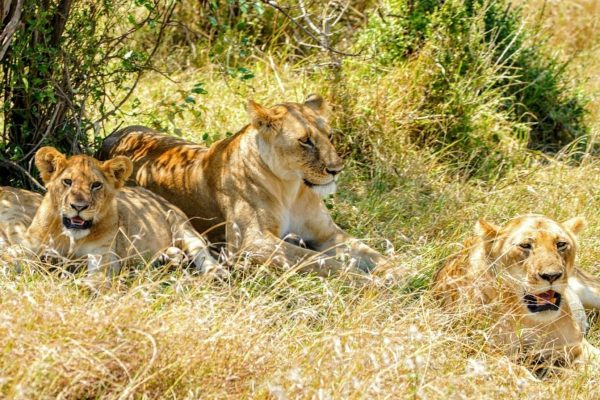
No animal symbolizes Africa more than the lion. Revered for its strength, courage, and majestic appearance, the African lion is one of the most sought-after wildlife sightings on any safari.
Lions are the only truly social cats, living in family groups called prides that may include several related females, cubs, and one or more dominant males. While females do most of the hunting, males play an important role in defending the pride’s territory from rivals.
During the day, lions often rest beneath trees or shrubs to conserve energy, becoming more active during the cooler hours of early morning, late afternoon, and nighttime. Witnessing a pride stalking zebras or buffalo across the open plains is one of Africa’s most thrilling wildlife spectacles.
Interesting Fact: An adult lion’s roar can be heard from up to 8 kilometers (5 miles) away, helping prides communicate and defend their territory.
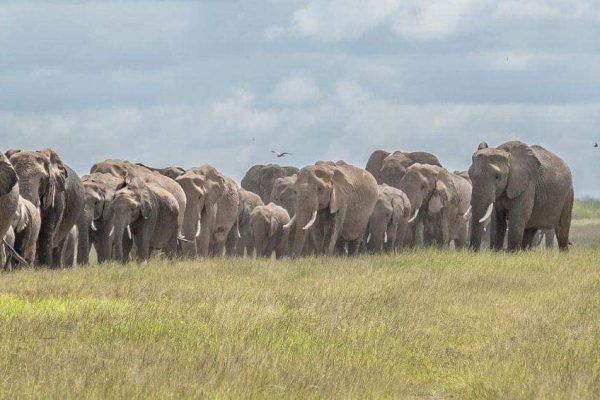
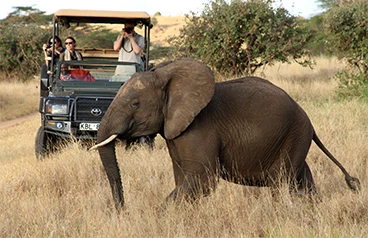
The African elephant is the largest land mammal on Earth and one of the most intelligent animals in the wild. Known for their remarkable memory, close family bonds, and emotional intelligence, elephants are among the most captivating animals to observe on safari.
Elephants live in matriarchal family groups led by an experienced female. They communicate using deep, low-frequency sounds that can travel several kilometers, allowing herds to stay connected even when separated by great distances.
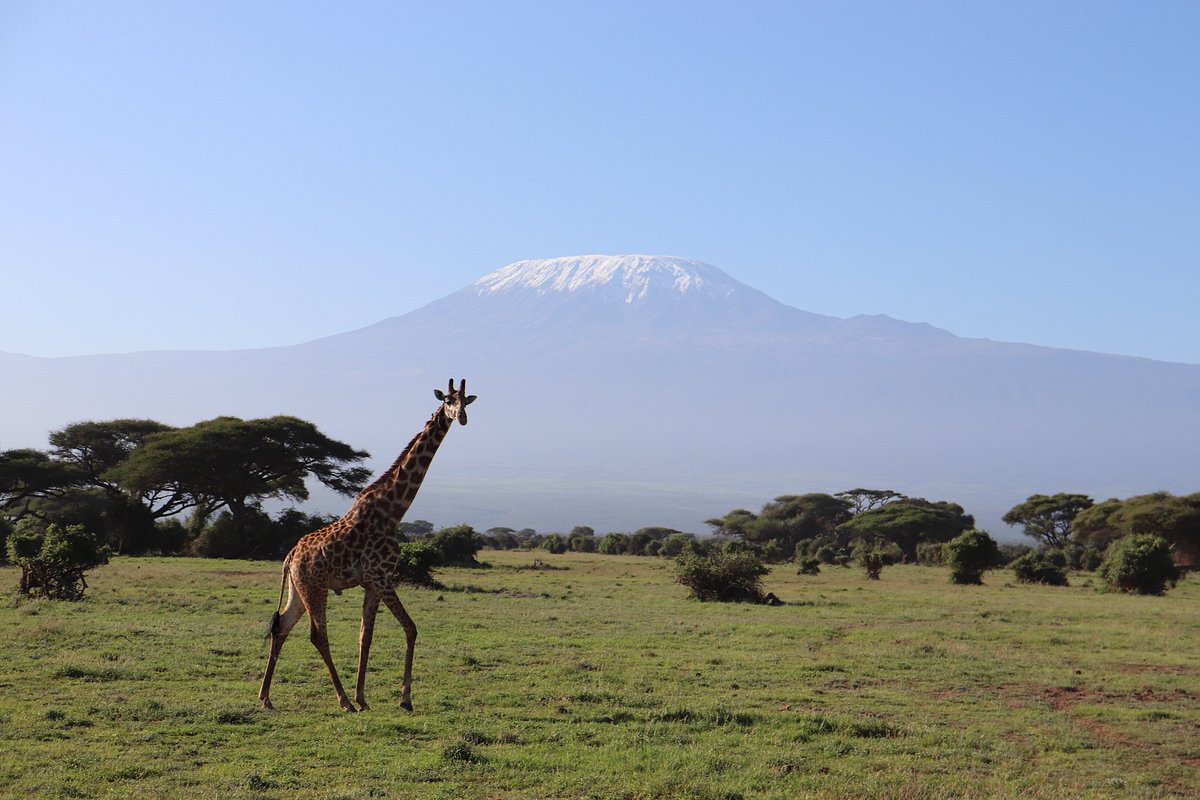
Kenya’s Amboseli National Park is internationally renowned for its magnificent “super tuskers”—elephants with exceptionally large tusks that almost touch the ground. The combination of these giant elephants with the snow-capped peak of Mount Kilimanjaro creates one of Africa’s most iconic safari scenes.
Interesting Fact: An adult African elephant can consume more than 150 kilograms of vegetation and drink up to 200 liters of water in a single day.
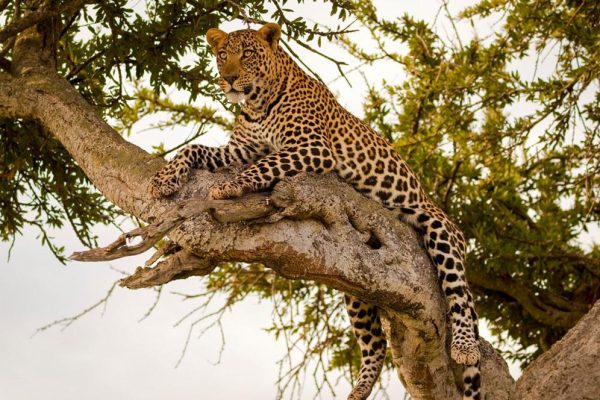
Elegant, powerful, and incredibly elusive, the African leopard is often considered the most difficult member of the Big Five to spot. Its beautifully patterned coat provides exceptional camouflage, allowing it to blend seamlessly into trees, rocky outcrops, and tall grasses.
Unlike lions, leopards are solitary animals that hunt mainly at night or during the cooler hours of the day. They are famous for dragging their prey into trees to protect it from scavengers such as lions and hyenas.
Spotting a leopard resting on a tree branch or silently stalking antelope through the bush is a highlight for many safari enthusiasts and wildlife photographers.
Interesting Fact: Leopards are incredibly strong and can lift prey weighing more than their own body weight into the branches of a tree.
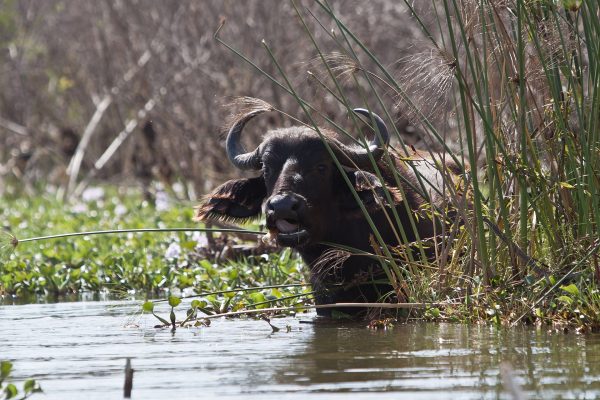
The African buffalo (Syncerus caffer) may not receive as much attention as lions or elephants, but it is one of the most formidable animals you will encounter on safari. Strong, resilient, and highly unpredictable, the buffalo earned its place among the Big Five because of its reputation for defending itself aggressively when threatened.
Unlike many herbivores that flee from predators, buffalo often stand their ground. Herds have been observed surrounding injured members, charging at lions, and even chasing predators away. This remarkable teamwork makes them one of the most respected animals on the African plains.
Buffalo live in herds ranging from a few dozen individuals to well over a thousand in areas with abundant grazing. During the dry season, they gather around rivers, lakes, and permanent waterholes, creating excellent wildlife viewing opportunities.
Kenya has healthy buffalo populations across many national parks and conservancies.
Masai Mara National Reserve
The Masai Mara is home to thousands of buffalo that roam its open plains year-round. They are frequently seen grazing alongside zebras, wildebeest, and giraffes, while lions closely monitor the herds for opportunities to hunt.
Amboseli National Park
Amboseli’s swamps and wetlands attract large buffalo herds throughout the year, making sightings almost guaranteed on most game drives.
Tsavo East and Tsavo West National Parks
Tsavo’s vast wilderness supports one of Kenya’s largest buffalo populations. The parks’ rivers and natural springs attract buffalo alongside elephants and numerous antelope species.
Lake Nakuru National Park
Although famous for rhinos, Lake Nakuru also offers excellent buffalo sightings within a compact area that’s easy to explore.
Serengeti National Park
Buffalo are widespread throughout the Serengeti and are commonly seen during game drives across the central and northern regions.
Ngorongoro Crater
The fertile grasslands of the crater support impressive buffalo numbers, making it one of the best places in Africa to photograph these powerful animals.
Tarangire National Park
Buffalo gather around the Tarangire River during the dry season, often forming large herds that attract predators.
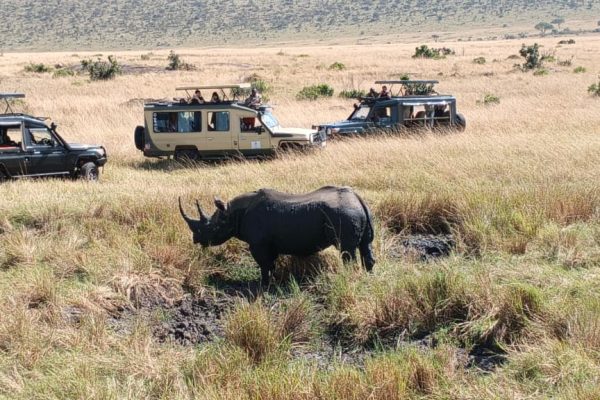
Few wildlife sightings are as rewarding as seeing a rhinoceros in the wild. Rhinos symbolize Africa’s ongoing conservation efforts and remain one of the rarest animals encountered on safari.
There are two species found in East Africa:
Despite its name, the black rhino is grey in color. It is smaller, more solitary, and has a hooked upper lip adapted for browsing shrubs and bushes.
The white rhino is larger and more social. It has a wide, square mouth designed for grazing grasslands.
Both species have faced severe population declines due to illegal poaching, but conservation initiatives across Kenya and Tanzania are helping numbers recover.
Ol Pejeta Conservancy: Ol Pejeta is one of Africa’s greatest conservation success stories and offers arguably the best rhino-viewing experience in East Africa. It protects both black and white rhinos and is internationally known for its conservation programs.
Lake Nakuru National Park: Lake Nakuru is another outstanding rhino sanctuary where both black and white rhinos can often be seen during a single game drive.
Solio Ranch Conservancy: Although less visited than the Mara or Amboseli, Solio is regarded as one of Kenya’s premier rhino conservation areas and offers exceptional rhino sightings.
Ngorongoro Crater: The Ngorongoro Crater provides one of the best chances to spot the endangered black rhino in Tanzania. Although sightings require patience, the crater remains one of the country’s most reliable rhino habitats.
Mkomazi National Park: Located in northern Tanzania, Mkomazi has become increasingly important for black rhino conservation through carefully managed breeding and protection programs.
Kenya is one of Africa’s premier safari destinations and among the best countries to experience the legendary Big Five—the African lion, African elephant, African leopard, African buffalo, and rhinoceros. Its diverse national parks, private conservancies, and wildlife reserves offer exceptional game viewing throughout the year, making it possible to encounter all five iconic animals on a single well-planned safari.
Whether you’re a first-time visitor or a seasoned safari enthusiast, these are the best places to see the Big Five in Kenya.
The Masai Mara National Reserve is undoubtedly Kenya’s most famous safari destination and one of Africa’s greatest wildlife sanctuaries. the park is home to healthy populations of lions, leopards, elephants, buffalo, and black rhinos, making it one of the few places where visitors have an excellent chance of spotting all members of the Big Five. It’s also renowned for its abundant predators, including large lion prides, elusive leopards, and cheetahs, as well as the annual Great Wildebeest Migration between July and October.
Big Five Highlights:
Best Time to Visit: June to October for peak wildlife viewing, although excellent sightings are possible throughout the year.
Few safari destinations are as iconic as Amboseli National Park. Situated near the Kenya-Tanzania border, Amboseli is famous for its spectacular views of Mount Kilimanjaro and its large elephant herds, including some of Africa’s last remaining “super tuskers.”
Although elephants are the park’s biggest attraction, Amboseli also supports healthy populations of lions, buffalo, leopards, spotted hyenas, giraffes, zebras, and numerous antelope species. While rhinos are not found in Amboseli, the park is often combined with nearby destinations such as Ol Pejeta or Lake Nakuru to complete a Big Five safari.
Wildlife Highlights
Best Time to Visit: June to October and January to March.
Located in Laikipia County, Ol Pejeta Conservancy is one of Africa’s leading wildlife conservation areas and arguably the best place in Kenya to complete your Big Five checklist. The conservancy is internationally recognized for its rhino conservation efforts and is home to East Africa’s largest population of black rhinos, along with a thriving population of southern white rhinos.
In addition to rhinos, Ol Pejeta supports healthy populations of lions, elephants, buffalo, and leopards. Visitors also have the unique opportunity to visit the Sweetwaters Chimpanzee Sanctuary, the only place in Kenya where rescued chimpanzees can be seen.
Big Five Highlights
Best Time to Visit: Year-round.
Lake Nakuru National Park is one of Kenya’s most successful conservation stories and among the country’s finest places to see both black and white rhinos. Protected by an electric fence, the park provides a safe environment for endangered rhino populations to thrive.
In addition to rhinos, visitors can encounter lions, leopards, buffalo, Rothschild’s giraffes, waterbucks, baboons, and an impressive variety of birdlife. Although the park is smaller than the Masai Mara, its compact size makes wildlife viewing relatively easy.
Big Five Highlights
Best Time to Visit: Year-round.
Together, Tsavo East and Tsavo West form one of the largest protected wildlife ecosystems in Africa. These neighboring parks cover more than 22,000 square kilometers.
Tsavo is famous for its red-dust elephants. Visitors can also expect to see lions, buffalo, leopards, giraffes, zebras, hippos, crocodiles, and numerous bird species.
While rhinos are primarily protected within the Ngulia Rhino Sanctuary in Tsavo West, sightings require patience due to the dense vegetation.
Big Five Highlights
Best Time to Visit: June to October and January to March.
Less visited than the Masai Mara or Amboseli, Meru National Park offers a quieter and more exclusive safari experience. The park features rivers, open grasslands, forests, and swamps that support diverse wildlife populations.
Meru is home to lions, elephants, buffalo, leopards, and a reintroduced black rhino population within a protected sanctuary. The park is also closely associated with conservationists George and Joy Adamson and the famous lioness Elsa from Born Free.
Highlights
While each destination offers unique wildlife experiences, the following combinations provide the highest probability of spotting all five animals:
| Destination | Lion | Leopard | Elephant | Buffalo | Rhino |
|---|---|---|---|---|---|
| Masai Mara National Reserve | ✓ | ✓ | ✓ | ✓ | ✓ (occasional) |
| Ol Pejeta Conservancy | ✓ | ✓ | ✓ | ✓ | ✓✓ |
| Lake Nakuru National Park | ✓ | ✓ | Limited | ✓ | ✓✓ |
| Tsavo East & West | ✓ | ✓ | ✓✓ | ✓ | ✓ (Ngulia Sanctuary) |
| Meru National Park | ✓ | ✓ | ✓ | ✓ | ✓ (Sanctuary) |
The Serengeti is one of Africa’s most iconic safari destinations, famous for its endless plains, exceptional predator populations, and role in the Great Wildebeest Migration. It offers outstanding opportunities to see lions, elephants, buffalo, and leopards throughout the year.
Often described as Africa’s “Eighth Wonder,” the Ngorongoro Crater is a natural wildlife sanctuary with one of the highest concentrations of large mammals on the continent. It is one of the few places where you have a realistic chance of spotting all members of the Big Five in a single day.
Tarangire is celebrated for its ancient baobab trees, seasonal elephant concentrations, and excellent wildlife viewing during the dry season. Buffalo, lions, and leopards are regularly encountered, making it a rewarding addition to any northern Tanzania safari.
This scenic park is famous for its tree-climbing lions, lush groundwater forest, and diverse birdlife. While smaller than Serengeti or Tarangire, it offers excellent game viewing and complements a Big Five safari itinerary.
One of the greatest advantages of visiting Kenya and Tanzania is that Big Five safaris are rewarding throughout the year. However, the best wildlife viewing generally occurs during the dry seasons when vegetation is shorter and animals gather around permanent water sources.
A successful Big Five safari begins long before your flight to Africa. Careful planning ensures you enjoy the best wildlife sightings, comfortable accommodations, and a seamless travel experience.
Although the Big Five can be seen year-round, the dry seasons generally provide the best wildlife viewing. If you also hope to witness the Great Wildebeest Migration, plan your itinerary between July and October, when large herds are typically found in the Masai Mara and northern Serengeti.
Luxury lodges, tented camps, and fly-in safaris are often fully booked months in advance, particularly during peak safari season. Booking early gives you a wider choice of accommodations and travel dates.
Essentials for a Big Five safari include:
Wild animals should always be observed from a safe distance. Follow your guide’s instructions, avoid making loud noises, and never attempt to feed or approach wildlife. Responsible tourism helps protect Africa’s natural heritage for future generations.
A safari is more than visiting national parks—it’s about experiencing Africa through the eyes of knowledgeable local experts. Twinkle Star Tours specializes in tailor-made Kenya and Tanzania safaris that combine exceptional wildlife viewing with personalized service.
When you travel with us, you benefit from:
Whether you’re planning your first African safari or returning to discover new destinations, our team is committed to delivering unforgettable wildlife experiences from arrival to departure.
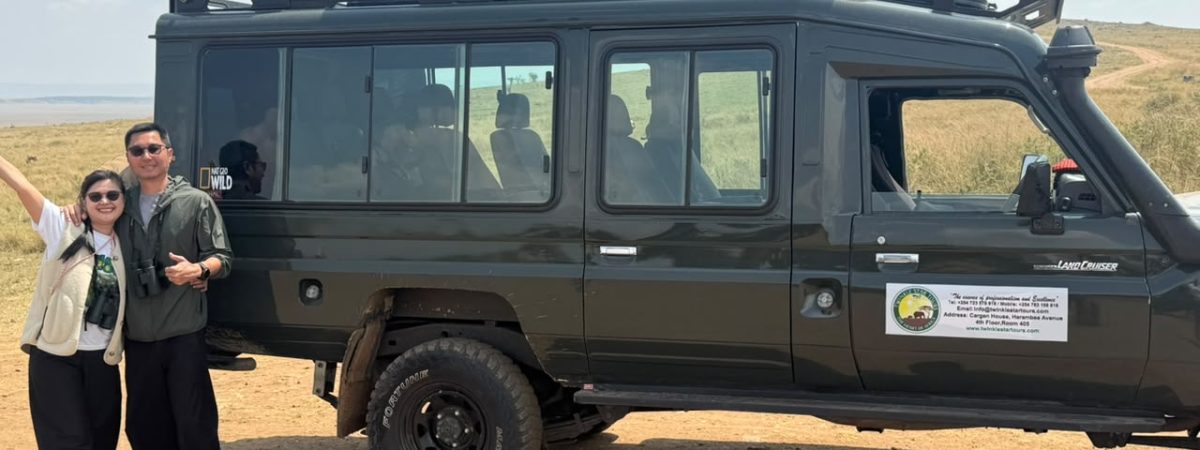
A Big Five Africa safari in Kenya and Tanzania is one of the most rewarding wildlife adventures on Earth. Few places offer the opportunity to observe lions, elephants, leopards, buffalo, and rhinos in such spectacular natural settings while also enjoying world-class accommodations, expert guiding, and warm East African hospitality.
From the rolling plains of the Masai Mara and the elephant-rich landscapes of Amboseli to the endless Serengeti and the wildlife-filled Ngorongoro Crater, every destination offers a unique perspective on Africa’s remarkable biodiversity.
At Twinkle Star Tours, we are passionate about creating unforgettable safari experiences that connect travelers with Africa’s extraordinary wildlife, landscapes, and cultures. Whether you dream of completing your Big Five checklist, witnessing dramatic predator encounters, or combining your safari with a beach escape in Zanzibar or the Kenyan coast, our experienced team will help you design the perfect itinerary.
If you’re ready to experience Africa’s most iconic wildlife, let Twinkle Star Tours plan your next Big Five safari in Kenya and Tanzania.
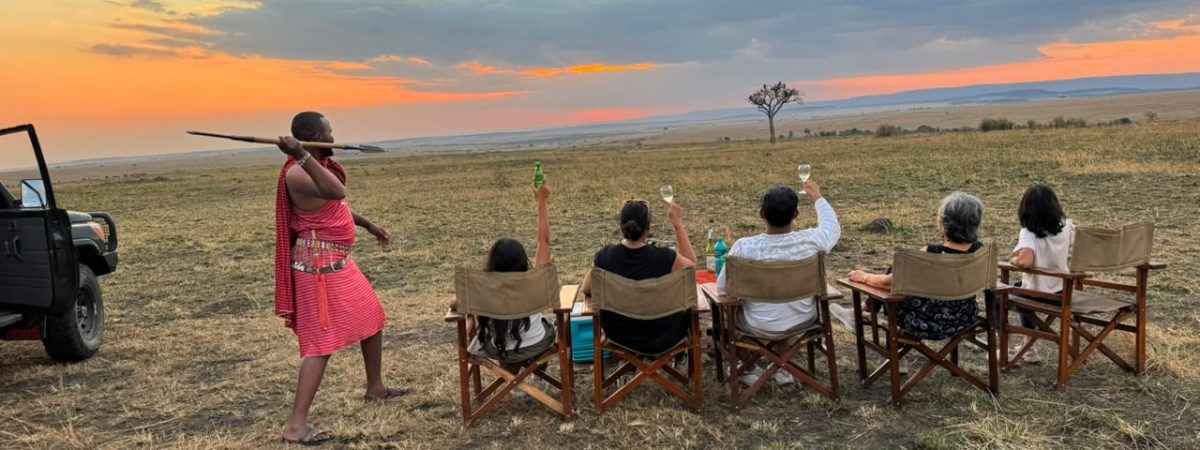
Explore our East Africa luxury safari holiday packages and discover your perfect adventure with Twinkle Star Tours, one of the best African safari tour companies in the region. From Kenya safaris from Nairobi to the Serengeti plains of Tanzania, our unique safari experiences are designed to bring you closer to the wildlife and stunning landscapes of Africa.
Our comprehensive East Africa tour packages showcase the region’s most spectacular locations, while our Tanzania Zanzibar holiday packages offer the perfect blend of wildlife and beach relaxation. For couples celebrating their special moments, our Zanzibar honeymoon packages create romantic memories with private beach dinners and intimate sunset cruises.
Our East Africa safari tour operators are ready to help you choose your perfect safari holiday package or tour within East Africa Contact Twinkle Star Tours via email or on our WhatsApp to start planning your dream African adventure.
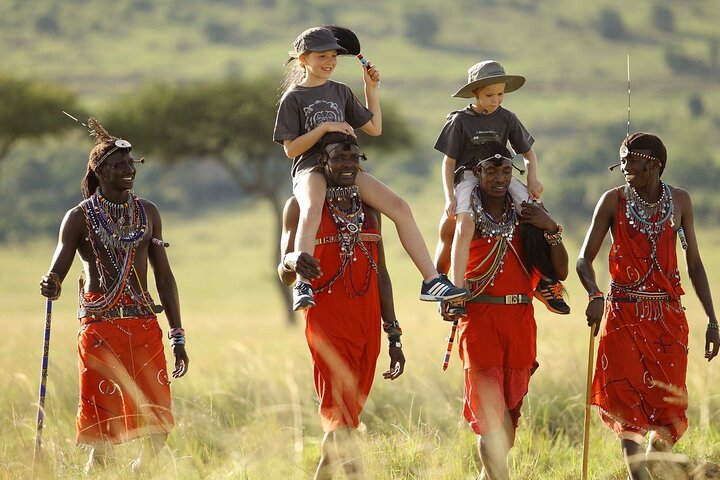
From the Maasai Mara to Amboseli, Kenya offers some of Africa’s most iconic safari moments. Witness the Big Five, meet the Maasai people, and marvel at Mount Kilimanjaro on the horizon.
Explore the endless plains of the Serengeti, stand at the edge of Ngorongoro Crater, or unwind on the beaches of Zanzibar. Tanzania is where adventure meets paradise.
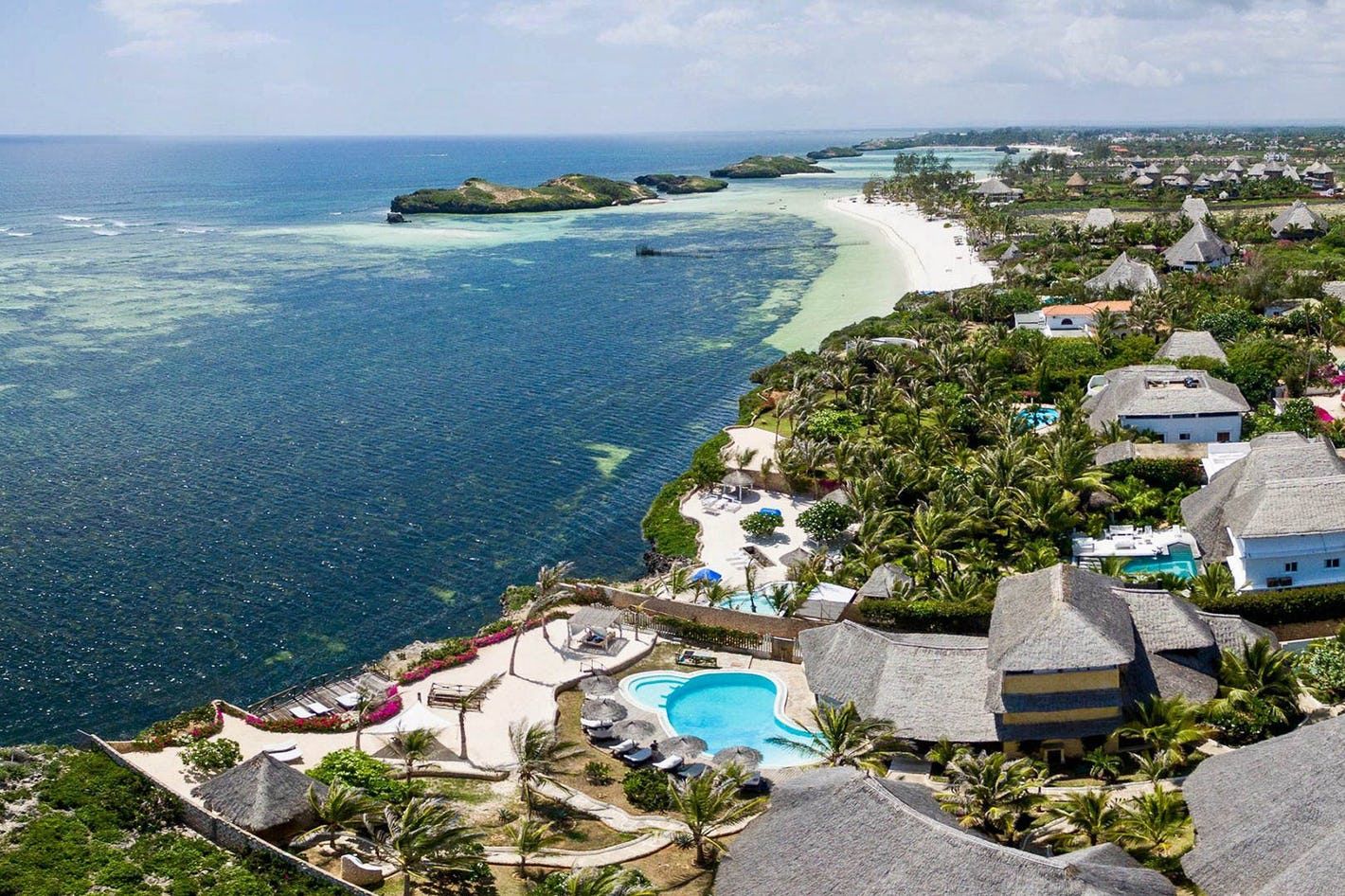
Relax on powder-white beaches, explore the winding alleys of Stone Town, and soak in the spice-scented air. Zanzibar is the perfect tropical escape after your safari adventure.
Trek deep into misty rainforests in search of wild mountain gorillas. Uganda’s untouched beauty and warm culture make it a truly unique safari destination.
Discover Rwanda’s rich biodiversity and emotional history. Trek through the Virunga mountains to encounter wild gorillas or reflect at the Kigali Genocide Memorial.
There has never been a better time to explore East Africa responsibly.
Whether you’re dreaming of a luxury safari, a family holiday, a romantic honeymoon, a photography expedition, a gorilla trekking adventure, or a relaxing beach escape, Twinkle Star Tours & Safaris is ready to help you create an unforgettable journey.
Our experienced team will work closely with you to design a personalized itinerary that reflects your interests, travel style, and budget while embracing the principles of responsible tourism.
Contact Twinkle Star Tours & Safaris today and discover how extraordinary travel can create extraordinary impact.
Explore our comprehensive East Africa tour packages that combine the highlights of Kenya, Tanzania, Uganda, and Rwanda in seamless itineraries. For beach lovers, our Zanzibar itinerary options range from 3-7 days of tropical relaxation, featuring pristine beaches, spice tours, and Stone Town exploration.
A tailormade tour with Twinkle Star Tours will put you in control of what you would like to do and experience in your safari to Africa. The above is just an indication of what an itinerary can be like.
Choose from an extensive list of safari accommodations to suit your needs, budget and style. Add on additional safari activities or choose from our range of day tours to make the perfect bespoke safari package tour.
Twinkle Star Tours take pride in making sure that your safari package is completely customisable. Receive a full breakdown itinerary via email containing everything in once place making your African journey smooth and easy.
To discuss any of our safari tours and packages or discuss any amendments you would like to make speak to our expert team who will be able to help make your safari dream a reality.
The Big Five are the African lion, African elephant, African leopard, African buffalo, and rhinoceros.
The term originated among hunters to describe the five most difficult and dangerous animals to hunt on foot. Today, it represents Africa’s most sought-after wildlife sightings for photographers and safari travelers.
Yes. A well-planned itinerary visiting destinations such as Masai Mara, Lake Nakuru or Ol Pejeta, Serengeti, and Ngorongoro Crater offers an excellent chance of seeing all five.
Both are exceptional. Kenya is famous for the Masai Mara, Amboseli, and Ol Pejeta, while Tanzania is renowned for the Serengeti, Ngorongoro Crater, and Tarangire. A combined safari provides the most complete experience.
A minimum of 5–7 days is recommended, while 10–14 days allows you to explore multiple parks across Kenya and Tanzania at a comfortable pace.
Wildlife viewing is excellent year-round, but June to October is generally considered the best period because animals gather around water sources and vegetation is less dense.
Toggle
Yes. Many lodges and camps offer family-friendly accommodations and activities, making Big Five safaris suitable for travelers of all ages.
Pack lightweight neutral clothing, a hat, sunglasses, sunscreen, comfortable shoes, binoculars, a camera, insect repellent, and a light jacket for cool mornings.
Absolutely. Expect to see giraffes, zebras, wildebeest, cheetahs, hippos, crocodiles, hyenas, antelopes, and hundreds of bird species.
Yes. Traveling between July and October allows you to combine Big Five sightings with the famous Great Wildebeest Migration in the Masai Mara and northern Serengeti.
Private safaris offer greater flexibility, personalized schedules, and exclusive use of the vehicle, while group safaris are more budget-friendly and provide a social travel experience.
The Masai Mara and Serengeti are widely regarded as two of the best places in Africa to see lions in the wild.
Ol Pejeta Conservancy and Lake Nakuru National Park in Kenya, along with the Ngorongoro Crater in Tanzania, are among the best destinations for rhino sightings.
Yes. When guided by experienced professionals and park regulations are followed, Big Five safaris are safe and enjoyable.
Twinkle Star Tours combines local expertise, personalized service, carefully selected accommodations, and tailor-made itineraries to create memorable safari experiences across Kenya and Tanzania.
WhatsApp us