
15 Best Cities to Visit in Italy
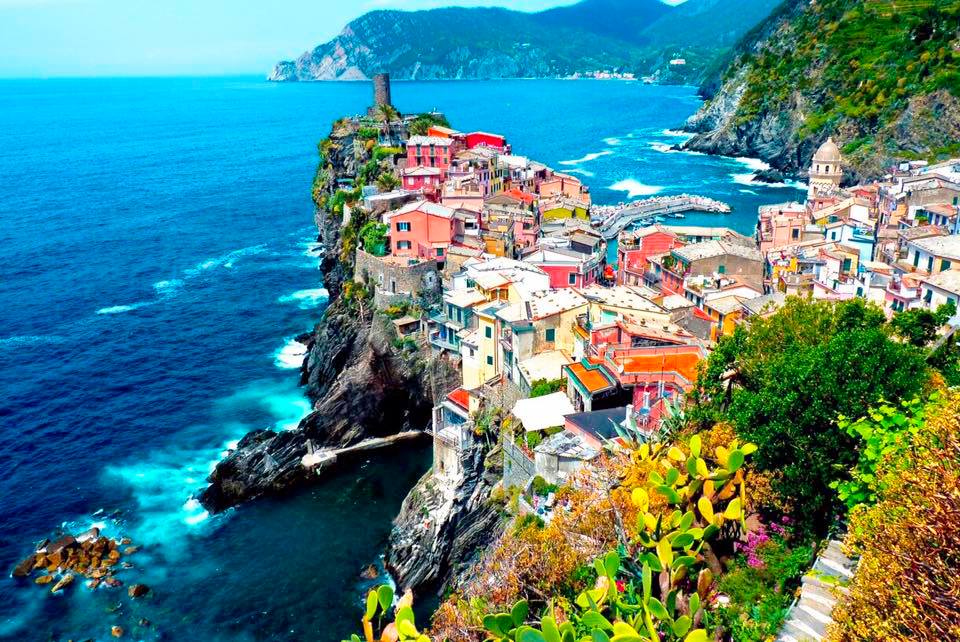
Table of Contents
Best Cities to Visit in Italy. 4
Which cities in Italy should you actually visit?. 5
Quick Summary: Best Cities to Visit in Italy at a Glance. 6
Is the Amalfi Coast worth visiting?. 6
Why Positano Is the Heart of the Amalfi Coast. 7
Day Trips That Define the Amalfi Coast Experience. 7
The Legendary Lemons and Limoncello. 8
Practical Considerations and Insider Tips. 8
Things to Do in the Amalfi Coast Italy , Summary. 8
Florence: The Birthplace of the Renaissance. 9
Tuscan Cuisine in Florence. 10
Tuscany: Italy’s Most Beautiful Countryside. 10
Val d’Orcia: The Heart of Tuscany. 11
Chianti Region: Wine Country Paradise. 11
San Gimignano: The Medieval Manhattan.. 11
Siena: Florence’s Historic Rival 12
The Magic of Tuscan Sunsets. 12
Practical Tips for Exploring Tuscany. 12
Why Florence + Tuscany Ranks Second. 13
Things to Do in Florence + Tuscany – Summary. 13
Is Cinque Terre as beautiful as the Amalfi Coast?. 14
Understanding Cinque Terre’s Layout and Character. 15
The Famous Coastal Hiking Trails. 16
Swimming and Beaches in Cinque Terre. 16
Ligurian Cuisine and Cinque Terre Specialties. 17
Why Cinque Terre Ranks Third Among Best Cities in Italy. 17
Practical Tips for Visiting Cinque Terre. 18
Things to Do in Cinque Terre – Summary. 18
Is Venice too touristy to be worth visiting?. 19
The Magic That Makes Venice Essential 20
Venetian Experiences Beyond the Main Sites. 21
Exploring Venice’s Islands. 21
Managing Venice’s Challenges: Practical Strategies. 22
Food in Venice: What to Eat and Where. 22
Things to Do in Venice – Summary. 23
Ancient Rome: Where History Comes Alive. 25
Baroque Rome: Fountains, Piazzas, and Drama. 26
The Vatican: A City Within a City. 26
Trastevere: Rome’s Most Charming Neighborhood. 28
Roman Food: More Than Just Carbonara. 28
Rome’s Overwhelming Nature: A Double-Edged Sword. 29
Things to Do in Rome + Vatican City – Summary. 30
Is Modena worth visiting? Well we would say its one of the best cities to visit in Italy. 32
Osteria Francescana: A Three-Michelin-Star Experience. 33
Traditional Balsamic Vinegar: Liquid Gold. 33
Ferrari Museums: Supercar Heaven.. 34
Emilian Cuisine: Italy’s Food Capital Region.. 35
Things to Do in Modena – Summary. 36
Is Pompeii worth visiting? Well, well, we would say its one of the best cities to visit in Italy. 36
Tips when you plan a Visit to Pompeii 38
Combining Pompeii with Other Destinations. 38
Why Pompeii Ranks Seventh.. 39
Things to Do in Pompeii – Summary. 39
Is Pisa worth visiting beyond the Leaning Tower?. 40
The Piazza dei Miracoli: Italy’s Most Beautiful Lawn.. 41
The Challenge of the Famous Leaning Climb. 42
Beyond the Tower: Discovering Pisa Proper. 42
Eating in Pisa: Authentic Tuscan Cuisine. 43
Things to Do in Pisa – Summary. 43
Is Milan worth visiting? Well its among the best cities to visit in Italy. 44
Why We Rank Milan as Skippable. 46
Things to Do in Milan – Summary. 47
Is Naples worth visiting? Its among out top list of cities to visit in Italy. 47
The Pizza: Naples’ Undeniable Claim to Fame. 48
Naples’ Street Life: Chaotic and Authentic. 48
The Challenges That Make Naples Difficult. 49
Why Naples Ranks Last on Our List. 50
Things to Do in Naples – Summary. 50
Is Verona worth visiting? Well its in our list of best cities to visit in italy. 51
Things to Do in Verona – Summary. 52
Is Bari worth visiting? Yes we choose it because its among the best cities to visit in Italy. 52
Things to Do in Bari – Summary. 54
Top Attractions in Trieste. 55
Things to Do in Trieste – Summary. 56
Is Bologna worth visiting? Yes its in our list of best cities to visit in Italy. 57
More Things to Do in Bologna. 58
What Makes Turin Distinctive. 59
Things to Do in Turin – Summary. 61
Planning Your Perfect Italy Itinerary. 61
Quick Reference: How to Allocate Your Time. 62
Final Thoughts: Planning Your Perfect Italy Itinerary. 63
15 Best Cities to Visit in Italy
A Complete Guide to Italy’s Most visited cities
best places to visit in italy | top cities to visit in italy | most beautiful places in italy
Which cities in Italy should you actually visit?
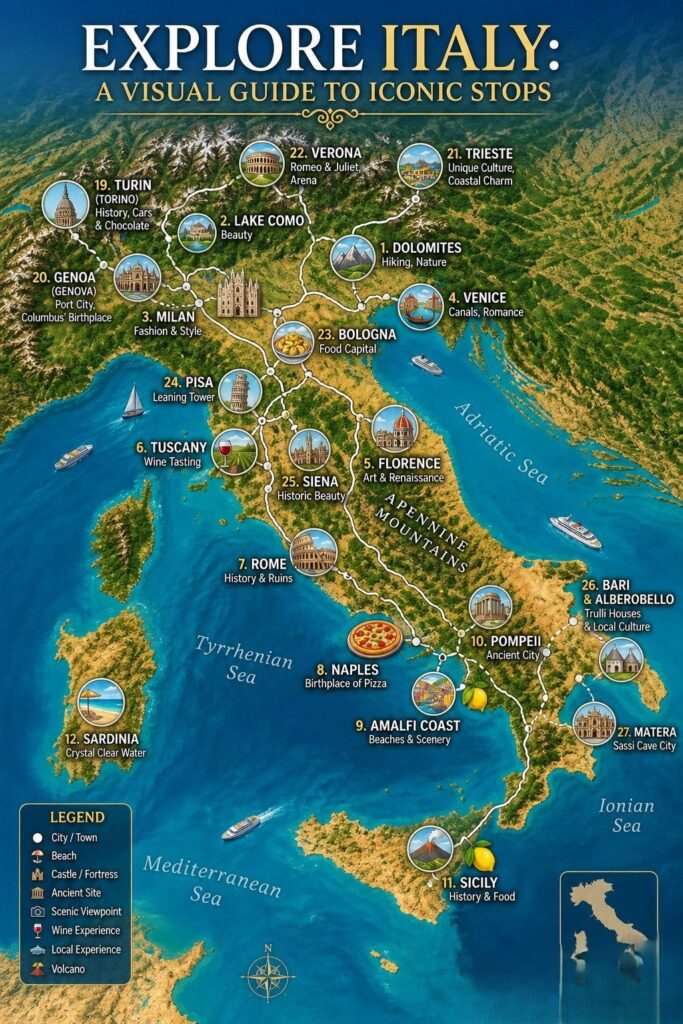
After spending three weeks exploring 10 major Italian destinations, the Amalfi Coast, Florence/Tuscany, and Cinque Terre rank as Italy’s most unmissable regions, combining stunning landscapes, authentic culture, and unforgettable experiences that justify Italy’s reputation as the world’s most beautiful country.
Italy isn’t just a destination , it’s a collection of dreams stitched together by centuries of art, architecture, cuisine, and coastline that has captivated travelers for generations. infact its among our list of 12 top most visited countries in the world. From the vertical cliffs of the Amalfi Coast where pastel villages cling impossibly to mountainsides, to the rolling cypress-lined hills of Tuscany where every sunset looks like a Renaissance painting, the best places to visit in Italy offer experiences that simply cannot be replicated anywhere else on earth.
But here’s the challenge every traveler faces: with limited vacation time and dozens of world-famous cities competing for your attention, how do you decide which places to visit in Italy? Should you spend your time in Venice’s romantic canals or Rome’s ancient ruins? Is the Amalfi Coast worth the difficult journey, or should you prioritize Florence’s art galleries? And what about those Instagram-famous spots like Cinque Terre and Milan’s Duomo , do they live up to the hype?
We faced these exact questions when planning our Italian adventure. After extensive research, countless travel blogs, and careful itinerary planning, we spent 21 days exploring 10 of Italy’s most celebrated cities and regions. We navigated the winding coastal roads of Positano, got lost in Venice’s maze-like alleyways, sampled pizza in Naples (its birthplace), toured Ferrari museums in Modena, walked the preserved streets of ancient Pompeii, and watched the sun set over Tuscan vineyards that stretched to the horizon.
What we discovered surprised us. Some of the most hyped destinations exceeded even our highest expectations, while others left us wondering why they receive so much attention. Some cities deserve a week of your time, while others can be experienced fully in a single afternoon. And yes, there are even two famous Italian cities that we genuinely believe you can skip entirely without missing much , a controversial opinion, but one we stand by after experiencing them firsthand.
This guide represents our honest, unfiltered ranking of the best cities in Italy based on our actual experiences, not guidebook clichés or tourist board promotions. We’ve included specific time recommendations for each destination, insider tips we learned along the way, honest assessments of crowds and costs, and practical advice about which places truly deserve a spot on your Italy bucket list.
Whether you’re planning your first trip to Italy and trying to build the perfect 10-day itinerary, or you’re a seasoned traveler looking to explore lesser-known gems beyond Rome and Venice, this comprehensive guide to the top cities to visit in Italy will help you make informed decisions about where to invest your precious travel time and budget.
Let’s dive into our definitive ranking of best cities to visit in Italy, starting with the most magical place we’ve ever visited in Europe.
Quick Summary: Best Cities to Visit in Italy at a Glance
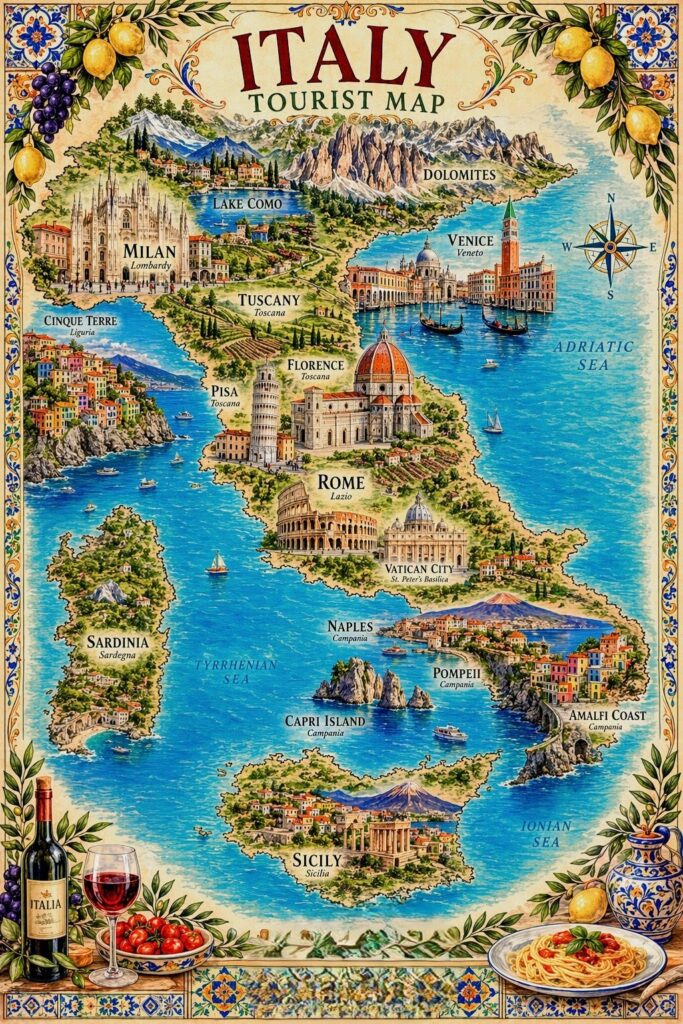
Must-Visit:
- Amalfi Coast (3 days) , Romance, views, coastal magic
- Florence + Tuscany (4-5 days) , Renaissance art, countryside, wine
- Cinque Terre (2 days) , Colorful villages, coastal hiking
Worth It:
- Venice (3 days) , Canals, unique atmosphere, history
- Rome (4 days) , Ancient ruins, Vatican, food
Conditional , Visit If It Matches Your Interests:
- Modena (1-2 days) , World-class food, Ferrari museums
- Pompeii (half day) , Ancient Roman ruins, history
- Pisa (1 day) , The Leaning Tower, quick visit
Skippable (Unless You Have Specific Reasons):
- Milan , Fashion/design capital, but not the “real” Italy for most visitors
- Naples , Pizza birthplace, but gritty and challenging for tourists
1. Amalfi Coast (3 Days) , The Most Beautiful Place in Italy
Is the Amalfi Coast worth visiting?
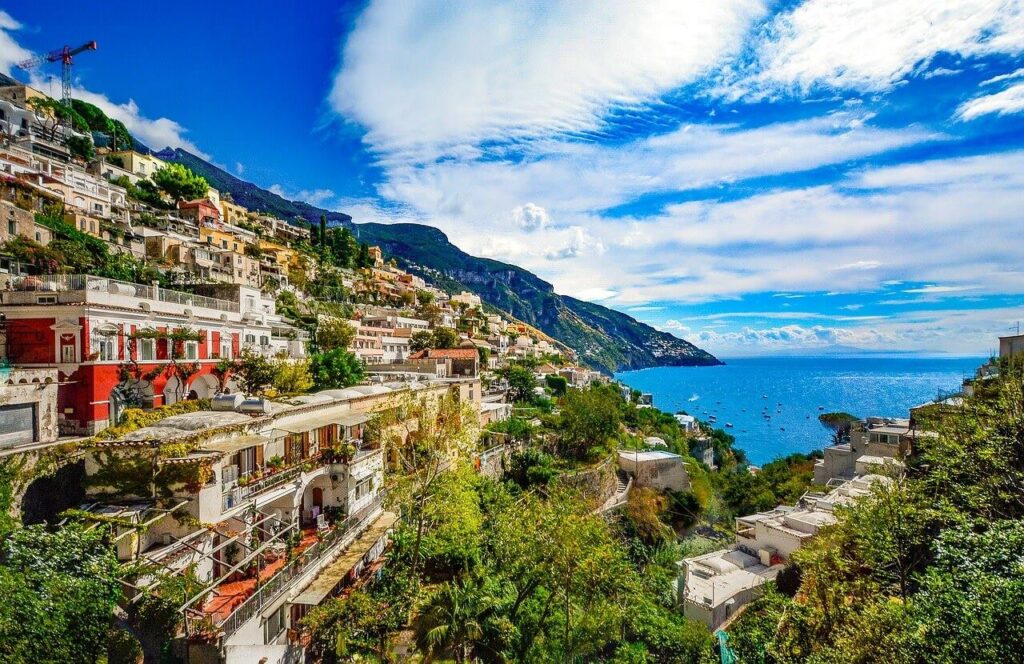
The Amalfi Coast stands as Italy’s most spectacular coastal region, where colorful villages cascade down dramatic cliffs into turquoise Mediterranean waters, creating the single most magical destination in Italy despite its reputation for being difficult to reach.
If there’s one place that embodies everything romantic, dramatic, and breathtakingly beautiful about Italy, it’s the Amalfi Coast. This UNESCO World Heritage stretch of coastline along southern Italy’s Sorrentine Peninsula delivers landscapes so stunning that you’ll question whether they’re real or whether you’ve somehow stepped into a postcard. Among all the best places to visit in Italy we visited, no destination came close to the sheer visual magnificence of the Amalfi Coast, particularly the jewel-like town of Positano.
Many travelers researching the top tourist attractions in Italy skip the Amalfi Coast because they’ve heard it’s “too difficult to get to” or “too touristy.” This is a mistake that will haunt your travel regrets forever. Yes, getting here requires more effort than hopping on a train to Rome or Florence. The roads are narrow, winding, and occasionally terrifying as buses navigate hairpin turns carved into cliffsides. But this difficulty is precisely what makes the Amalfi Coast special , it has remained relatively protected from mass tourism compared to Venice or Rome, and the journey itself becomes part of the adventure, with every turn revealing another jaw-dropping vista of azure water against vertical limestone cliffs.
Why Positano Is the Heart of the Amalfi Coast
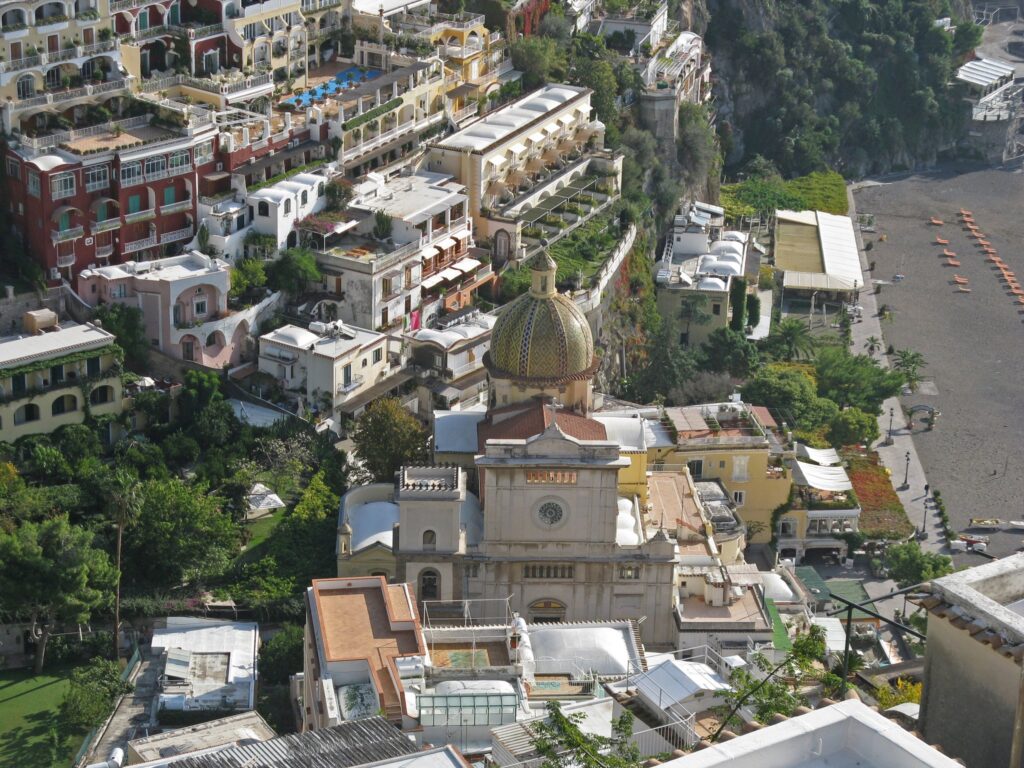
Among the Amalfi Coast’s various towns , Positano, Amalfi, Ravello, Praiano, and nearby Sorrento, Positano stands out as the most visually stunning and romantically atmospheric. For travelers compiling a list of the best places to visit in Italy, Positano deserves a top spot. This is where you should base yourself if possible, despite it being the most expensive option.
Positano is built almost entirely vertically. Pastel-colored houses, peach, yellow, pink, and cream, stack up the mountainside like an architectural cascade, their bougainvillea-draped terraces and lemon tree gardens creating layers of color against the deep blue Mediterranean backdrop. The town has no flat streets; instead, everything connects via steep staircases and narrow pedestrian pathways that wind between buildings, creating an intimate maze where every turn opens onto another stunning view.
The town’s main beach, Spiaggia Grande, sits at the bottom of this vertical village, a sweep of dark sand dotted with colorful umbrellas and lined with waterfront restaurants where you can watch the sun set behind the Li Galli islands while sipping limoncello and eating fresh seafood.
What makes Positano truly special is how it makes you feel. There’s a languid, dolce vita energy here that’s intoxicating. Time moves differently. You’ll find yourself stopping constantly just to stare at views, to photograph yet another perfect doorway framed by cascading flowers, to duck into small boutiques selling handmade leather sandals and linen clothing, to sit at cliffside cafés where the view matters more than the (admittedly overpriced) cappuccino.
Day Trips That Define the Amalfi Coast Experience
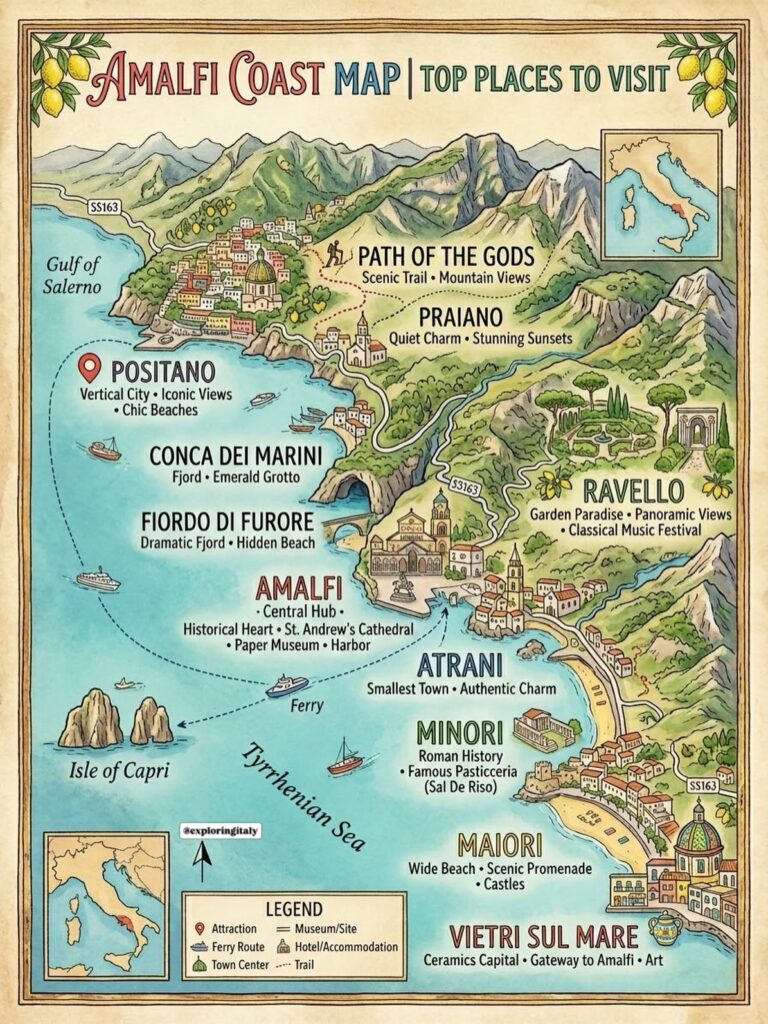
The beauty of basing yourself in Positano is the easy access to some of the best places to go in Italy. The Amalfi Coast isn’t just one town , it’s a constellation of remarkable places, each offering something unique.
Amalfi Town is the region’s namesake and historic heart. Larger and more commercial than Positano, Amalfi features a stunning cathedral (Duomo di Amalfi) with an Arab-Norman façade and a beautiful cloister. Ravello sits high above the coast (1,500 feet up) and offers what many consider the finest views in all of Italy. Villa Cimbrone’s Terrace of Infinity is aptly named , standing at its balustrade feels like floating above the Mediterranean.
Capri requires a ferry ride but absolutely cannot be missed. This legendary island has attracted everyone from Roman emperors to Hollywood celebrities. The Blue Grotto (Grotta Azzurra) glows with otherworldly electric-blue light created by sunlight entering an underwater cave. The Gardens of Augustus offer panoramic views of the dramatic Faraglioni rock formations rising from the sea.
The Legendary Lemons and Limoncello
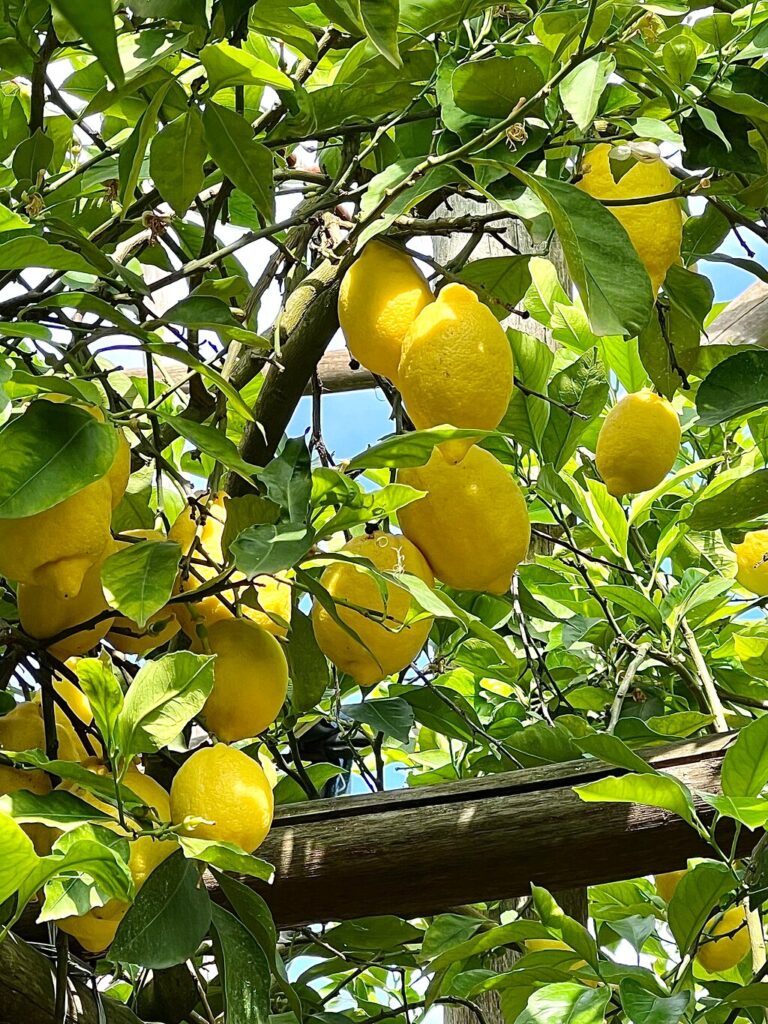
You cannot visit the Amalfi Coast without experiencing its world-famous lemons. These aren’t ordinary lemons , they’re sfusato amalfitano, a protected variety grown on terraced groves carved into the cliffsides. These lemons are enormous (often the size of grapefruits), incredibly fragrant, and have a thick, sweet-scented peel that makes them perfect for producing limoncello. Every restaurant, shop, and café seems to sell house-made limoncello, and many restaurants incorporate lemon into unexpected dishes , lemon risotto, lemon pasta, lemon-infused seafood, lemon desserts.
Practical Considerations and Insider Tips
Timing Your Visit: The Amalfi Coast is notorious for summer crowds, particularly in July and August. If possible, visit in May, June, September, or early October for better weather with fewer tourists.
Transportation: Getting around requires strategy. The famous SS163 coastal road is narrow, winding, and packed with tour buses. Rely on the SITA buses that connect all major towns, or splurge on private drivers. Ferries between coastal towns run during warmer months and offer spectacular views.
Where to Stay: Positano offers the best experience but commands premium prices (€200-500+ per night). Praiano, just east of Positano, provides similar views at lower prices. Sorrento is the budget-friendly choice with the best transport links.
What to Pack: The Amalfi Coast means stairs , hundreds and hundreds of stairs. Bring comfortable walking shoes with good grip. The coastal sun is intense; bring sun protection.
Things to Do in the Amalfi Coast Italy , Summary
- Explore Positano: Wander the vertical streets, shop for handmade leather sandals, and photograph the iconic church dome and colorful houses
- Beach time at Spiaggia Grande: Rent an umbrella and lounger for the classic Amalfi Coast beach experience
- Day trip to Capri: Visit the Blue Grotto, ride the chairlift to Monte Solaro, explore the Gardens of Augustus
- Visit Ravello: Experience the Terrace of Infinity at Villa Cimbrone and tour Villa Rufolo’s gardens
- Tour Amalfi town: See the stunning cathedral, explore the historic paper museum, browse shops in the main piazza
- Hike the Path of the Gods: This famous clifftop trail between Positano and Praiano offers breathtaking coastal views (moderate difficulty, 3-4 hours)
- Take a boat tour: Explore hidden coves, sea caves, and view the coast from the water
- Limoncello tasting: Visit a lemon grove or traditional producer to learn about and sample the region’s signature liqueur
- Sunset from a terrazza: Book dinner at a restaurant with views (La Tagliata in Positano is spectacular)
- Try lemon specialties: Order lemon pasta, lemon risotto, or delizia al limone (lemon dessert)
- Visit Sorrento: Explore this clifftop town and watch sunset over the Bay of Naples
- Ceramic shopping: Browse the beautiful hand-painted ceramics for which the region is famous
2. Florence (2 Days) + Tuscany (4 Days) – Where Renaissance Art Meets Rolling Hills
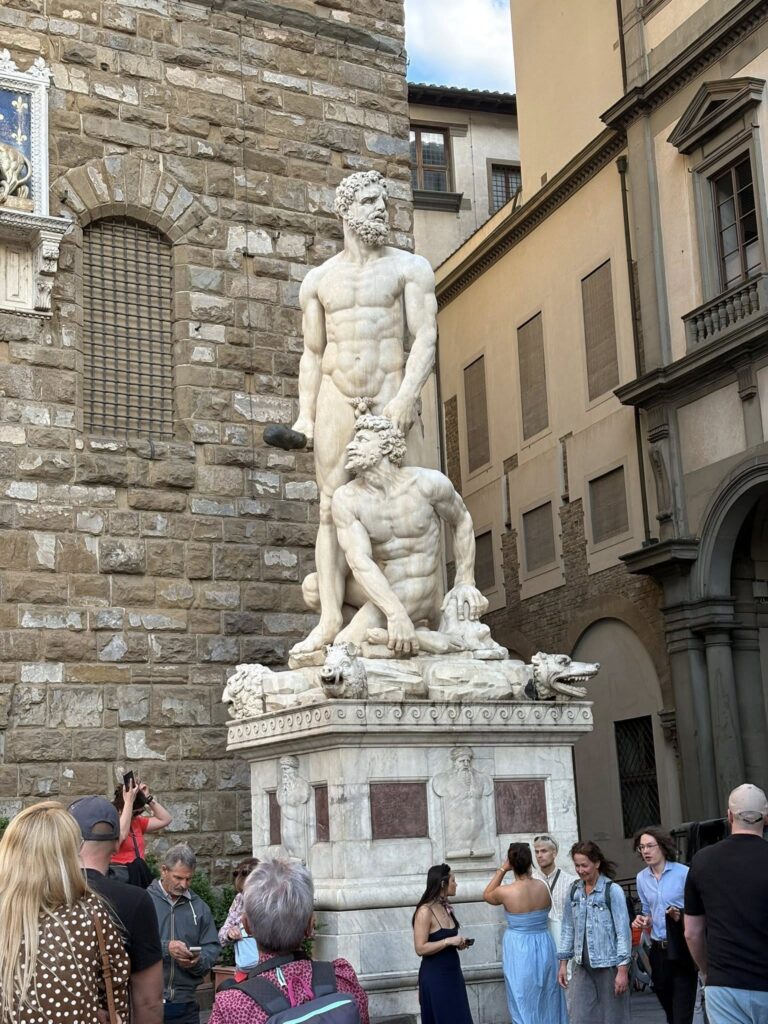
How long should you spend in Florence versus the Tuscany countryside? Well this is one of best cities to visit in Italy and you should go here too.
Florence deserves 2 days for its unmatched Renaissance art and architecture, while the Tuscany region requires 4 days to properly explore its hilltop medieval towns, vineyards, and landscapes that define Italian countryside beauty.
If the Amalfi Coast represents Italy’s coastal perfection, then Florence and the surrounding Tuscany region represent its cultural and pastoral soul. This combination of Renaissance city and countryside paradise ranks among the absolute best places to visit in Italy, offering a completely different but equally essential Italian experience.
Florence: The Birthplace of the Renaissance
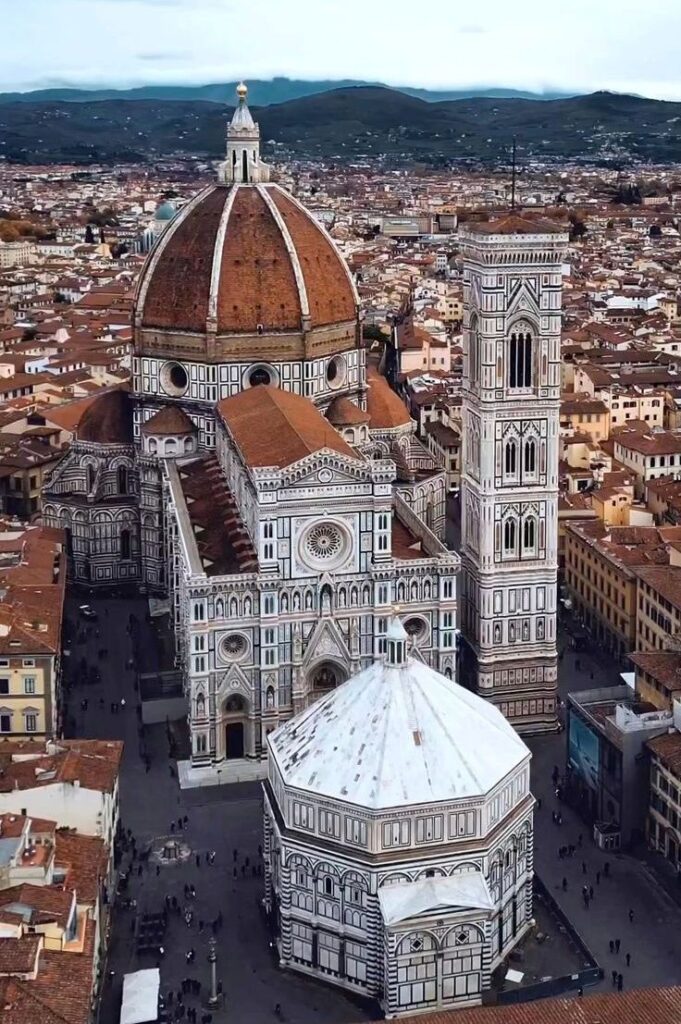
Florence isn’t just a city, it’s an open-air museum where virtually every building, plaza, and bridge carries historical and artistic significance. The Renaissance began here in the 14th century when wealthy banking families like the Medici transformed Florence into Europe’s cultural capital, commissioning artworks and architecture that would define Western civilization’s artistic heritage for centuries.
The city’s compact historic center, largely unchanged since medieval times, makes Florence remarkably walkable. Unlike sprawling Rome, you can see Florence’s major sites in 1-2 intensive days, though art enthusiasts could easily spend a week exploring its museums and churches.
The Duomo (Cathedral of Santa Maria del Fiore) dominates Florence’s skyline with Brunelleschi’s magnificent dome, an architectural marvel that was the world’s largest dome when completed in 1436 and remains one of history’s greatest engineering achievements. The cathedral’s exterior, decorated in pink, white, and green marble, is breathtaking, but climbing the 463 steps to the top of the dome provides the reward: panoramic views over Florence’s terracotta rooftops with the Tuscan hills rolling into the distance.
Right beside the cathedral stands Giotto’s Campanile (bell tower) and the Baptistery with its legendary bronze doors, including Lorenzo Ghiberti’s “Gates of Paradise”, doors so beautiful that Michelangelo gave them this name.
The Uffizi Gallery houses the world’s finest collection of Renaissance art. This isn’t hyperbole. Room after room contains masterpieces by Botticelli (The Birth of Venus, Primavera), Leonardo da Vinci, Michelangelo, Raphael, Caravaggio, and more. Art history comes alive here as you see the original works that appear in every art textbook. The gallery gets extremely crowded, so book tickets online well in advance (months ahead for peak season) and arrive right when it opens.
Galleria dell’Accademia exists primarily for one artwork: Michelangelo’s David. And yes, seeing this 17-foot marble sculpture in person justifies the visit. Photographs don’t capture David’s scale, the perfection of Michelangelo’s technique, or the way light plays across the marble. The gallery also contains other Michelangelo sculptures and works by other Renaissance artists, but David is the main event.
Ponte Vecchio, Florence’s famous medieval bridge, spans the Arno River lined with jewelry shops that have occupied the bridge since the 16th century. At sunset, the bridge creates perfect reflections in the river, and the crowds (and they are significant) are almost worth tolerating for the scene.
Piazzas and Street Life: Florence’s social heart beats in its piazzas. Piazza della Signoria, fronted by Palazzo Vecchio and filled with sculptures (including a replica of David), functions as an outdoor sculpture gallery. Piazza della Repubblica, with its carousel and street performers, captures Florentine daily life. And Piazzale Michelangelo, on a hill overlooking the city, offers the best sunset views in Florence, arrive early to claim a spot.
Tuscan Cuisine in Florence
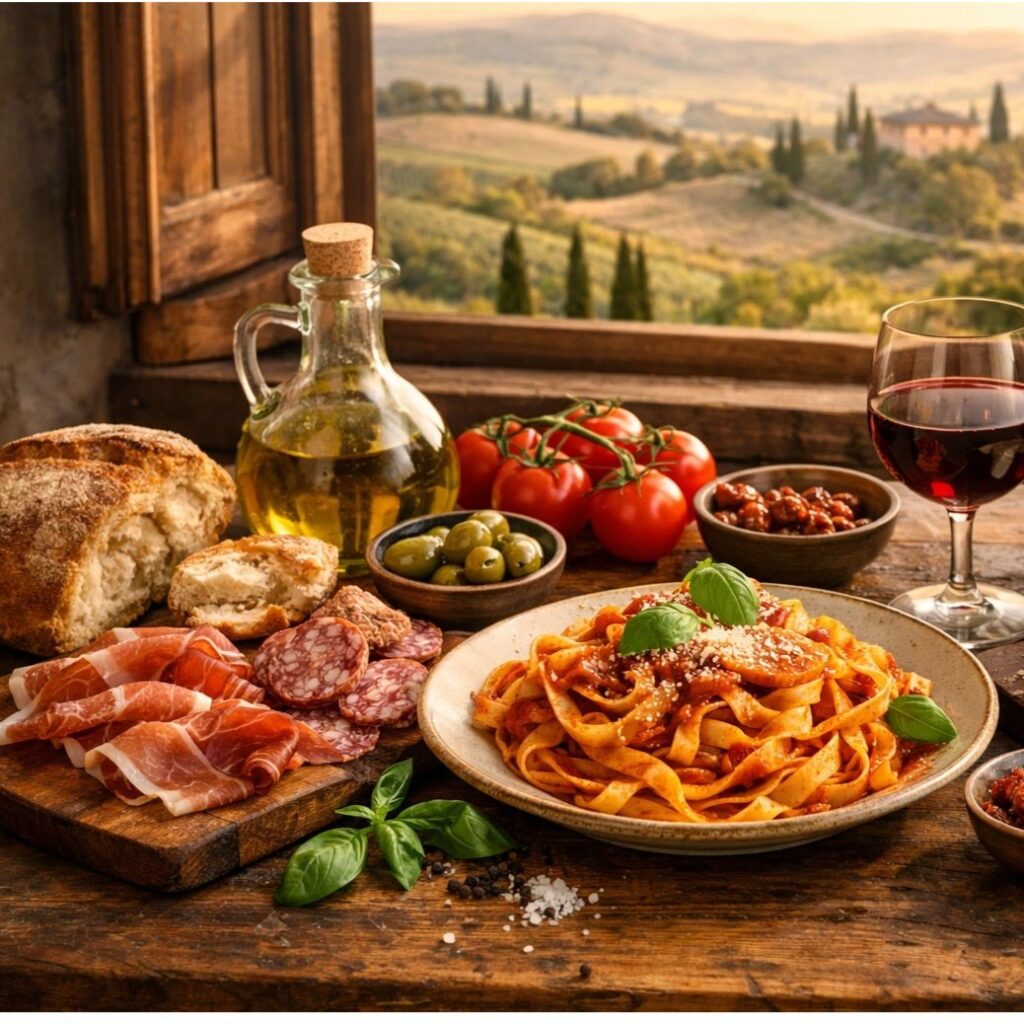
Florence is where you must try bistecca alla fiorentina (Florentine T-bone steak), typically served rare, massive in size (often 3+ pounds), and simply seasoned with salt, pepper, and olive oil. It’s a religious experience for meat lovers. Pair it with Tuscan wine, Chianti, Brunello di Montalcino, or Vino Nobile di Montepulciano, all produced in the surrounding countryside.
Also seek out schiacciata (Tuscan flatbread), ribollita (hearty vegetable and bread soup), pappa al pomodoro (tomato and bread soup), and of course, gelato from one of Florence’s many artisanal gelaterias. Vivoli and Gelateria dei Neri are local favorites, though you’ll find excellent gelato throughout the city.
Tuscany: Italy’s Most Beautiful Countryside
While Florence delivers cultural richness, the Tuscany region provides what might be the most beautiful landscapes on Earth. Saying this isn’t exaggeration, it’s based on the experience of driving through the Tuscan countryside and feeling like every single view deserves to be painted or photographed.
The classic Tuscan landscape, rolling hills striped with vineyards and olive groves, lone cypress trees standing sentinel along hilltops, weathered farmhouses with warm golden walls, medieval stone villages crowning hills, exists exactly as you’ve imagined it. This isn’t carefully curated tourist scenery; it’s how the entire region actually looks, mile after mile of scenery so perfect it seems designed by artists. It’s no surprise that Tuscany’s countryside towns rank among the top tourist attractions in Italy year after year.
Val d’Orcia: The Heart of Tuscany
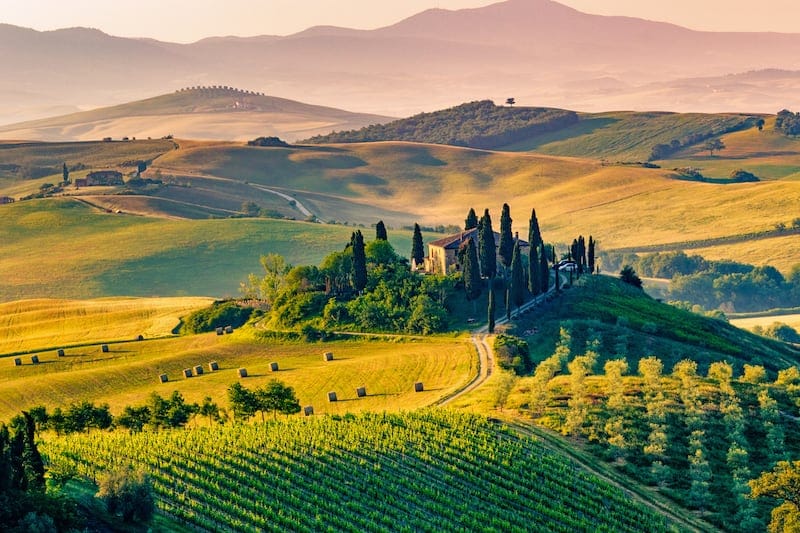
The Val d’Orcia valley, a UNESCO World Heritage Site, epitomizes Tuscany countryside beauty. This agricultural landscape has been carefully cultivated since the Renaissance, creating the harmonious balance of nature and human habitation that defines Italian rural aesthetics.
Key towns in Val d’Orcia include:
Pienza, a Renaissance “ideal town” redesigned in the 15th century by Pope Pius II, features perfect proportions and harmonious architecture. It’s tiny (you can walk it in 20 minutes) but charming, with views over the valley and excellent pecorino cheese produced locally.
Montepulciano rises dramatically on a narrow limestone ridge. This medieval and Renaissance town produces Vino Nobile di Montepulciano wine and offers spectacular views from its hilltop piazza. The town’s steep streets, historic palaces, and underground wine cellars make exploration feel like stepping back centuries.
Montalcino, perched on a hill surrounded by vineyards, is famous for Brunello di Montalcino, one of Italy’s greatest and most expensive wines. The medieval fortress offers panoramic views, and numerous enotecas (wine bars) provide tasting opportunities.
Chianti Region: Wine Country Paradise
The Chianti region, between Florence and Siena, is Tuscany’s most famous wine-producing area, and the landscape here perfectly embodies Tuscan rural romance. The Chianti Classico route (marked by the black rooster symbol) winds through endless vineyards, olive groves, and historic wine estates.
Many wineries (called “agriturismos” when they offer accommodation) welcome visitors for tours and tastings. Some require reservations; others accept walk-ins. Spending an afternoon at a Tuscan winery, touring the cellars, tasting wines paired with local cheeses and olive oils, sitting on a terrazza overlooking vineyards as the sun sets, ranks among the best places to go in Italy for a truly authentic experience.
Castello di Brolio, Castello di Verrazzano, and Badia a Coltibuono are among the most historic and beautiful wineries offering tours. But honestly, you can almost randomly choose any winery and have a wonderful experience; Tuscan wine culture emphasizes hospitality and quality.
San Gimignano: The Medieval Manhattan
San Gimignano, a UNESCO World Heritage town in northwestern Tuscany, offers one of Italy’s most striking skylines. This small hilltop town preserves 14 of its original 72 medieval towers, defensive towers built by wealthy families competing for status. From a distance, these stone towers create a mini-Manhattan silhouette that’s utterly unique in Italy.
Beyond its towers, San Gimignano offers medieval atmosphere, beautiful piazzas, excellent views from its ramparts, and world-class gelato at Gelateria Dondoli (a two-time Gelato World Champion winner whose shop in Piazza della Cisterna serves creative flavors you won’t find elsewhere).
The town gets crowded with day-trippers, but if you can, stay overnight. Once the tour buses leave around 5-6 PM, San Gimignano transforms into the peaceful medieval village it once was, and you’ll have its atmospheric streets largely to yourself.
Siena: Florence’s Historic Rival
While we spent most of our Tuscany time in smaller towns and countryside, Siena deserves mention as one of Tuscany’s great cities. Siena’s main attraction is the Piazza del Campo, one of Europe’s greatest medieval squares and home to the famous Palio horse race held twice each summer.
Siena Cathedral (Duomo di Siena) rivals Florence’s in beauty, with its striking black-and-white striped marble, intricate façade, and breathtaking interior decorated with art by Donatello, Michelangelo, and Bernini. The cathedral’s floor, made of 56 decorated marble panels, is particularly stunning (though many sections are only uncovered certain times of year for protection).
Siena offers a more relaxed atmosphere than Florence, less crowded, less touristy, and arguably more authentic to medieval Italian city life.
The Magic of Tuscan Sunsets
Tuscany is famous for its light, particularly during sunset when the golden hour transforms the landscape into something almost unreal. The cypress trees cast long shadows across the rolling hills. The farmhouses glow warm and honey-colored. The vineyards turn golden-green. And if you’re lucky enough to catch this light from a hilltop viewpoint or winery terrace, you’ll understand why Tuscany has inspired artists for centuries.
Make sunset viewing a priority during your Tuscany days. Find a viewpoint, there are countless, and simply watch as the light changes. These quiet moments, sitting with a glass of wine watching the Tuscan sun sink behind olive-grove-covered hills, become the memories you’ll treasure most.
Practical Tips for Exploring Tuscany
Transportation: Renting a car is essential for properly exploring Tuscany. While trains connect major towns like Florence, Siena, and Pisa, the region’s beauty lies in the countryside between these cities, and the hilltop villages are inaccessible by public transport. The roads are generally easy to navigate, well-maintained, and driving here is genuinely enjoyable given the scenery.
Accommodation: Consider staying in an agriturismo, a working farm that offers rooms or apartments to guests. These range from simple to luxurious but typically offer authentic rural experiences, home-cooked meals featuring their own produce, and locations surrounded by vineyards or olive groves. It’s a uniquely Tuscan experience that puts you in the heart of the countryside.
Timing: Tuscany is glorious from April through October. Summer (July-August) brings heat and crowds. May-June and September-October offer ideal conditions, warm weather, fewer tourists, and for fall, the grape harvest creates special energy in wine regions.
Why Florence + Tuscany Ranks Second
Among the top cities to visit in Italy, Florence and Tuscany earn second place because together they provide the quintessential Italian cultural and countryside experience. Florence satisfies your Renaissance art and architecture appetites with some of history’s greatest masterpieces. Tuscany satisfies your soul with landscapes so beautiful you’ll struggle to put down your camera.
This combination, world-class culture plus pastoral perfection, makes Florence and Tuscany indispensable for any Italy itinerary. While individual visitors might prefer one over the other (art lovers might spend more time in Florence; wine enthusiasts might focus on Chianti), experiencing both provides balance and captures different essential aspects of Italian excellence.
Things to Do in Florence + Tuscany – Summary
In Florence:
- Climb the Duomo: Reserve tickets to climb Brunelleschi’s dome for incredible city views
- Uffizi Gallery: Book timed entry tickets months ahead to see Botticelli, Leonardo, and Renaissance masterpieces
- See David: Visit Galleria dell’Accademia for Michelangelo’s iconic sculpture
- Walk Ponte Vecchio: Cross Florence’s medieval bridge lined with jewelry shops, especially at sunset
- Piazzale Michelangelo sunset: Join locals and tourists for the best panoramic view over Florence
- Eat Florentine steak: Order bistecca alla fiorentina at a traditional trattoria (Trattoria dall’Oste is excellent)
- Explore the leather market: San Lorenzo Market offers leather goods, though quality varies, shop carefully
- Gelato daily: Florence has some of Italy’s best gelaterias; try Vivoli, Gelateria dei Neri, or La Carraia
- Piazza della Signoria: Admire the outdoor sculpture gallery in front of Palazzo Vecchio
- Cross all the bridges: Each Arno bridge offers different views; walk them all if you have time
In Tuscany:
- Drive the Val d’Orcia: Take the SR2 (Via Cassia) through UNESCO-listed landscapes near Pienza and Montalcino
- Wine tasting in Chianti: Visit at least one winery for tours and tastings; Castello di Brolio and Castello di Verrazzano are excellent
- Explore San Gimignano: Climb a tower for views, walk the medieval streets, and try world-championship gelato at Gelateria Dondoli
- Visit Pienza: Explore this Renaissance ideal town and sample pecorino cheese
- Montalcino for Brunello: Taste Brunello di Montalcino wine and visit the medieval fortress for views
- Montepulciano climb: Hike up this steep hilltop town for Vino Nobile wine and incredible vistas
- Stay in an agriturismo: Book at least one night in a farmhouse accommodation for authentic rural experience
- Photograph cypress trees: Find the famous cypress-lined roads near Monticchiello for iconic Tuscan photos
- Sunset viewpoint: Find a hilltop anywhere in Tuscany and watch the golden hour transform the landscape
- Visit Siena: If time allows, explore Piazza del Campo and the stunning cathedral
- Olive oil tasting: Many estates offer olive oil tastings alongside wine, Tuscan olive oil is exceptional
- Get lost intentionally: The best way to experience Tuscany is driving backroads without strict plans; every turn reveals beauty
3. Cinque Terre (2-3 Days) – The Backpacker’s Coastal Paradise
Is Cinque Terre as beautiful as the Amalfi Coast?
Cinque Terre offers colorful fishing villages dramatically perched along the Ligurian coastline for a more accessible and budget-friendly experience than the Amalfi Coast, though with smaller villages, simpler accommodations, and a more rustic, backpacker-oriented atmosphere.
Cinque Terre translates to “Five Lands,” and this UNESCO World Heritage national park consists of five impossibly picturesque fishing villages clinging to the rugged coastline of the Italian Riviera in the Liguria region. These villages, Monterosso al Mare, Vernazza, Corniglia, Manarola, and Riomaggiore, have become Instagram-famous in recent years, and for good reason: their colorful facades stacked against dramatic cliffs create some of Italy’s most photogenic landscapes. They are consistently ranked among the top tourist attractions in Italy and it’s easy to see why.
While not quite reaching the magical beauty of the Amalfi Coast (few places on Earth do), Cinque Terre absolutely deserves its place among the best places to visit in Italy. It offers something the Amalfi Coast doesn’t: a more relaxed, accessible, and budget-friendly version of Italian coastal beauty that appeals particularly to younger travelers, hikers, and those seeking authentic fishing village atmosphere without luxury price tags.
Understanding Cinque Terre’s Layout and Character
Unlike the Amalfi Coast where villages are spread out along miles of coastline, Cinque Terre’s five villages cluster close together along just 7.5 miles of coast. This compact geography means you can visit all five villages in a single day if you’re efficient (though this would be rushed). More realistically, base yourself in one village for 1-2 nights and explore the others via train or hiking trails.
Each village has distinct character:
Riomaggiore, the southernmost village, features a steep main street (Via Colombo) lined with pastel-colored tower houses that cascade down to a tiny harbor. It’s charming but often crowded given its position as many travelers’ entry point from La Spezia. The rocks at the marina provide spots to swim and sunbathe, though there’s no real beach.
Manarola might be Cinque Terre’s most photographed village. The classic shot, colorful houses stacked vertically above the tiny harbor with boats pulled up on the rocks, appears on countless postcards and Instagram feeds, and it’s not misleading. This scene is genuinely stunning, especially at sunset when the buildings glow golden against the deepening blue Mediterranean. Manarola is small enough to explore in an hour but atmospheric enough to deserve an evening visit.
Corniglia stands apart as the only village not directly on the water. Perched on a clifftop promontory, Corniglia requires climbing the Lardarina, a brick staircase of 382 steps from the train station (or taking a shuttle bus if you prefer). This elevation means Corniglia receives fewer tourists than its neighbors, making it the most tranquil and authentic of the five. The village retains more of its traditional character, with narrower streets, fewer tourist shops, and better local restaurants. The clifftop position provides spectacular views along the coast in both directions.
Vernazza is many travelers’ favorite village and arguably Cinque Terre’s prettiest. A small natural harbor creates a protected cove surrounded by colorful houses, with a tiny piazza opening directly onto the water. Vernazza has the best combination of photogenic beauty, functional beach/harbor area for swimming, and lively atmosphere with excellent restaurants and cafés. The town is crowned by remains of a medieval castle (Castello Doria) that you can climb for panoramic views. If you’re only visiting one village in Cinque Terre, make it Vernazza.
Monterosso al Mare, the northernmost and largest village, is the only one with a real beach, a long stretch of sand that attracts beach-goers and families. The village splits into old town (centro storico) and new town (fegina), connected by a tunnel. Monterosso feels more resort-like than its neighbors, with larger hotels, more restaurants, and beach clubs renting umbrellas and chairs. It lacks some of the intimate charm of smaller villages but offers more amenities and the best swimming.
The Famous Coastal Hiking Trails
Cinque Terre’s hiking trails between villages offer some of Italy’s most spectacular coastal walking, making this one of the best places to go in Italy for outdoor enthusiasts. These trails, carved into cliffsides hundreds of feet above the Mediterranean, provide constantly changing perspectives of the colorful villages, terraced vineyards, olive groves, and sparkling blue water below.
The most famous trail, the Via dell’Amore (Path of Love) between Riomaggiore and Manarola, has been closed for years due to landslides. Check current status, but don’t count on it being open.
The Sentiero Azzurro (Blue Trail) connects all five villages but consists of several segments varying in difficulty:
- Monterosso to Vernazza (2 hours, moderate): The most scenic segment, with dramatic coastal views and moderate elevation changes. This is many hikers’ favorite section.
- Vernazza to Corniglia (1.5 hours, moderate to challenging): Steep climbs and descents with incredible views, but demanding, especially in heat.
- Corniglia to Manarola (1 hour, moderate): Beautiful vineyard terraces and coastal panoramas.
- Manarola to Riomaggiore (20 minutes): This is the Via dell’Amore, currently closed.
To hike these trails, you must purchase a Cinque Terre Card (available at train stations and visitor centers). The card provides trail access and unlimited train rides between villages for the card’s duration (one day or multi-day options available).
Important hiking notes: These trails are genuine mountain paths, not paved walkways. They include steep, uneven sections, occasional narrow passages, and little shade. Wear proper hiking shoes (not sandals), bring water, start early to avoid midday heat, and honestly assess your fitness level before committing to the longer segments. The trails are beautiful but shouldn’t be underestimated, several hikers require rescue each year.
If hiking doesn’t appeal or isn’t feasible, the train connecting all five villages runs frequently (every 15-30 minutes) and takes just minutes between villages, making train-hopping an easy alternative for seeing everything.
Swimming and Beaches in Cinque Terre
While Cinque Terre’s beaches don’t rival tropical paradises, swimming in the crystal-clear Ligurian Sea with colorful villages as your backdrop creates a uniquely Italian experience.
Monterosso offers the only proper sandy beach, divided into free public sections and paid stabilimenti (beach clubs) with umbrellas, loungers, changing rooms, and sometimes restaurants. The water is clean and refreshing, perfect after hiking.
Vernazza’s small harbor area allows swimming from rocks and a tiny patch of sand. It’s not ideal for extended beach time but wonderfully atmospheric for a quick dip while based in the village.
Manarola and Riomaggiore have swimming platforms and rocks where locals and tourists sunbathe and jump into deep water. There’s no sand, but the setting is dramatic and these spots feel more authentic than formal beaches.
Corniglia has no direct water access from the village itself, but a steep path leads down to a rocky swimming area if you’re adventurous.
The water temperature is pleasant from June through September, with August being warmest. The Mediterranean here stays relatively calm, making it safe for swimming though occasionally wavy.
Ligurian Cuisine and Cinque Terre Specialties
Liguria’s cuisine differs from other Italian regions, with strong maritime influences and distinctive local products.
Pesto originated in Liguria, and the pesto here, made with Ligurian basil, pine nuts, Parmigiano-Reggiano, pecorino, garlic, and local olive oil, tastes noticeably different (and better) than pesto elsewhere. Order trofie al pesto, the traditional pasta shape served with pesto in Liguria.
Focaccia is another Ligurian specialty. The focaccia here is thinner, crispier, and more olive-oil-forward than versions elsewhere in Italy. In Cinque Terre, try focaccia with different toppings, plain with salt, with cheese, with onions, or with tomatoes.
Anchovies (acciughe) from Monterosso are famous throughout Italy. Try them marinated, fried, or served over pasta. Fresh seafood dominates menus here, grilled fish, seafood pasta, fried calamari, and mixed seafood platters are excellent everywhere.
Sciacchetrà is Cinque Terre’s rare dessert wine, made from dried grapes. It’s sweet, strong, and pairs beautifully with cantucci (almond biscotti) for dipping. It’s expensive due to limited production, but worth trying as a local specialty.
Local white wine from Cinque Terre’s steep terraced vineyards is crisp and refreshing, perfect with seafood. The vineyards you see clinging impossibly to cliffsides produce this wine, the steep terrain means all work must be done by hand, making it some of Italy’s most labor-intensive wine production.
Why Cinque Terre Ranks Third Among Best Cities in Italy
Cinque Terre earns third place on our list of the best cities to visit in Italy because it delivers dramatic coastal beauty and authentic Italian fishing village atmosphere at a more accessible level than the Amalfi Coast. While less luxurious and not quite as breathtaking as Positano, Cinque Terre offers advantages: easier access by train from major cities, more budget-friendly accommodation and dining, better hiking opportunities, and a more laid-back, backpacker-friendly vibe that appeals to travelers seeking adventure alongside beauty.
The villages themselves, while smaller and simpler than Amalfi Coast towns, create incredibly photogenic landscapes that have rightfully earned Cinque Terre a place on countless bucket lists. And the national park’s protected status helps preserve the area’s character even as tourism has increased.
If you’re choosing between the Amalfi Coast and Cinque Terre, our advice is: visit the Amalfi Coast if you can only choose one. But if you have time for both, Cinque Terre provides a complementary experience, different enough to feel fresh, beautiful enough to justify the visit, and atmospheric enough to create wonderful memories.
Practical Tips for Visiting Cinque Terre
Getting There: The gateway city is La Spezia, well-connected by train to Florence (2.5 hours), Pisa (1 hour), and Genoa (1.5 hours). From La Spezia Centrale station, frequent trains run to all five Cinque Terre villages. You can also approach from the north via Levanto.
Where to Stay: Accommodation in Cinque Terre villages is limited and books far ahead for peak season. Vernazza offers the best combination of beauty and atmosphere but has the fewest rooms. Monterosso provides the most options with larger hotels. Manarola and Riomaggiore offer middle-ground choices. Many travelers stay in La Spezia for budget-friendly hotels with easy train access, though you miss the experience of evening/morning in the villages after day-trippers leave.
Crowds: Cinque Terre has become almost too popular. Summer days (especially July-August) see the villages packed with tourists. The best strategy: stay overnight in a village, allowing you to experience it early morning and evening when day-trippers are absent. These quieter periods reveal why locals love these places.
Timing: May-June and September-October offer the best balance of good weather and manageable crowds. April and late October can be pleasant but with more rain and cooler temperatures. November through March, many businesses close, and weather becomes unpredictable, though you’ll have the villages nearly to yourself.
Cars: Don’t bring a car. The villages are car-free (only residents can drive in, with strict permits), parking is extremely limited and expensive, and trains are the only practical way to move between villages. If you drive to Cinque Terre, park in La Spezia and take the train in.
Budget: Cinque Terre is more affordable than the Amalfi Coast but more expensive than inland Italian towns. Expect to pay €15-25 for restaurant meals, €80-150 for basic accommodation, and €16-30 for a day Cinque Terre Card. Budget accordingly.
Things to Do in Cinque Terre – Summary
- Hike the Sentiero Azzurro: Walk at least one segment of the coastal trail; Monterosso to Vernazza is the most scenic
- Visit all five villages: Take the train between villages to experience each one’s unique character
- Photograph Manarola at sunset: Get the classic colorful-village shot as golden light hits the buildings
- Swim in the Mediterranean: Take a dip at Monterosso’s beach or from rocks at Vernazza or Manarola
- Explore Vernazza: Climb to Castello Doria for views, swim in the harbor, and dine at harborside restaurants
- Try local specialties: Order trofie al pesto, fresh anchovies, and Cinque Terre white wine
- Climb to Corniglia: Take the 382-step Lardarina to reach the most peaceful village with the best views
- Eat focaccia: Buy fresh Ligurian focaccia from a bakery for breakfast or lunch
- Watch sunset from a terrazza: Find a restaurant or viewpoint in any village for magical evening light over the sea
- Sample sciacchetrà: Try the local dessert wine with cantucci (almond cookies)
- Take a boat tour: Seasonal boat services offer a different perspective of the villages from the water
- Visit the sanctuaries: Each village has a hilltop sanctuary accessible by hiking trails, offering spectacular views and solitude
- Experience evening atmosphere: Stay overnight to enjoy villages after day-trippers depart, the transformation is remarkable
4. Venice (3-5 Days) – One of the best Italy City to visit
Is Venice too touristy to be worth visiting?
Venice remains one of the most unique and romantic cities in the world despite overtourism challenges, offering canal-filled streets, historic architecture, and atmospheric experiences that cannot be found anywhere else, making it essential for any comprehensive Italy itinerary.
There is literally nowhere on Earth like Venice. This 1,200-year-old city built on 118 islands in a lagoon, connected by over 400 bridges and navigated by canals instead of streets, defies logic and remains one of humanity’s most remarkable urban achievements. Among all the best cities to visit in Italy, indeed, among all cities worldwide, Venice stands alone in its uniqueness.
However, Venice also represents modern tourism’s greatest challenge. The city receives approximately 30 million visitors annually while its resident population has plummeted to just 50,000 (from 175,000 in the 1950s). On busy days, tourists outnumber residents 100 to 1. Cruise ships (though recently restricted) dump thousands of visitors into the city for just a few hours. The result: Venice can feel like a theme park rather than a living city, especially in peak summer months or around St. Mark’s Square. Yet despite all this, it remains one of the top tourist attractions in Italy for very good reason.
So the question becomes: Is Venice worth visiting despite the crowds? Our answer, having experienced it ourselves: Yes, absolutely, but with caveats and strategies to maximize the experience while minimizing tourist frustrations.
The Magic That Makes Venice Essential
Before discussing crowds and logistics, let’s address why Venice demands a place on any Italy itinerary: the city delivers experiences literally impossible elsewhere.
The Grand Canal is Venice’s main thoroughfare, an S-shaped waterway lined with palazzos (palatial buildings) representing 500 years of architectural styles, Byzantine, Gothic, Renaissance, and Baroque facades creating a continuously unfolding visual feast. Taking a vaporetto (water bus) down the Grand Canal, especially at sunset or night when the palazzos glow with warm light reflecting in the water, ranks among Italy’s most romantic experiences. Yes, it’s touristy. Yes, everyone does it. And yes, it’s absolutely worth it because nothing else matches this specific combination of architecture, water, and light.
Getting Lost is the Point: Venice’s maze-like layout, narrow calli (streets), hidden campi (squares), unexpected canals, bridges leading to dead ends, passages barely wide enough for one person, seems designed to confuse. And that’s precisely its charm. The best way to experience Venice is to deliberately get lost. Put away your map (or phone), wander randomly, and discover hidden squares, quiet canals, neighborhood bakeries, local wine bars, and residential areas where Venetians actually live. These moments, stumbling upon a perfect scene with nobody around, remind you why Venice has captivated travelers for centuries.
St. Mark’s Square (Piazza San Marco) is Venice’s famous heart and arguably Europe’s most beautiful plaza. Napoleon called it “the drawing room of Europe,” and despite being packed with tourists, it remains breathtaking. The square is framed by architectural masterpieces: St. Mark’s Basilica with its Byzantine domes and gold mosaics, the Doge’s Palace (Palazzo Ducale) in Venetian Gothic style, the Campanile (bell tower) offering panoramic views from its top, and Renaissance-era arcades housing expensive cafés with orchestras that serenade patrons. It’s one of the best places to visit in Italy and the world.
St. Mark’s Basilica dazzles with gold mosaic ceilings covering 8,000 square meters, the effect is overwhelming, like standing inside a jeweled box. Entry is free, but expect long lines unless you book tickets ahead. The Pala d’Oro (golden altarpiece) encrusted with thousands of gems requires a separate ticket but is stunning.
Doge’s Palace served as the residence of Venice’s ruling Doge and the seat of Venetian government. The ornate Gothic exterior impresses, but the interior, grand halls with massive paintings by Tintoretto, Veronese, and other Venetian masters, the famous Bridge of Sighs connecting to prisons, the atmospheric dungeons, brings Venetian history alive. The Secret Itineraries tour (book ahead) takes you through hidden passages and torture chambers for a fascinating deeper dive.
Rialto Bridge is Venice’s oldest bridge spanning the Grand Canal and one of its most iconic landmarks. The bridge’s shops (mostly selling tourist items) and the nearby Rialto Market (one of Venice’s few remaining authentic local spots, with fish and produce stalls) create constant activity. The views from the bridge of the Grand Canal and colorful buildings lining it are magnificent, though finding a clear photo without crowds requires patience.
Venetian Experiences Beyond the Main Sites
Gondola Rides: Are they touristy and expensive (€80-100 for 30 minutes)? Absolutely. Are they worth it? If you can afford it, yes. Gliding through small canals barely wider than the gondola, passing under bridges, seeing Venice from water level as Venetians have for centuries, it’s romantic and memorable. For budget alternatives, take a traghetto (gondola ferry crossing the Grand Canal for €2) or ride vaporetto Line 1 down the entire Grand Canal for just the cost of a transit ticket.
Venetian Cicchetti and Wine Bars: Cicchetti are Venetian small plates or tapas, small bites of seafood, crostini, meat, cheese, and vegetables served at bacari (traditional wine bars). Experiencing a Venetian bacaro crawl, hopping between wine bars, ordering cicchetti and ombre (small glasses of wine), standing at the bar alongside locals, provides authentic Venetian culture and excellent food at reasonable prices. Try Cantina Do Mori, All’Arco, or Osteria al Squero.
Opera at La Fenice: Venice’s famous opera house, Teatro La Fenice (“The Phoenix”), has burned and been rebuilt three times. Attending a performance here, in an intimate Baroque theater dripping with gold and red velvet, delivers a quintessentially Venetian cultural experience. Even if you’re not an opera enthusiast, the setting alone justifies it.
Aperitivo Hour: Venice embraces the Italian tradition of aperitivo, pre-dinner drinks accompanied by snacks. Find a spot along a canal (Campo Santa Margherita in the Dorsoduro neighborhood is popular with locals), order a Spritz (Venice’s signature cocktail made with Aperol or Campari, Prosecco, and soda), and watch the evening light transform the city while Venetians socialize around you.
Exploring Venice’s Islands
Venice isn’t just the main islands of the historic center. The lagoon contains several other islands worth visiting, each offering different experiences and relief from the main city’s crowds.
Murano, famous for glass-making since the 13th century, sits just a short vaporetto ride north of Venice. The island has numerous glass factories and showrooms where you can watch master craftsmen create pieces using centuries-old techniques. Some factories offer free demonstrations to attract customers to their showrooms. The glass ranges from tacky tourist souvenirs to genuine artworks, shop carefully. The island itself, with its own canals and colorful buildings, provides a quieter version of Venice’s atmosphere.
Burano is the most photogenic of Venice’s lagoon islands, famous for its brightly painted houses in every color imaginable, vibrant yellows, pinks, blues, purples, and greens creating a rainbow effect along its canals. Legend says the bright colors helped fishermen find their homes in fog. Burano is also known for lace-making, though the tradition has largely been replaced by imported lace in tourist shops. The island makes a perfect half-day trip and is one of the most charming places to go in Italy for photography. It is less crowded than main Venice, though it gets busy midday when tour groups arrive. Go early morning or late afternoon for the best experience and photos.
Torcello, the most remote island, was actually Venice’s predecessor, a major settlement in the 7th-10th centuries before Venice itself rose to power. Now virtually abandoned with perhaps 10 permanent residents, Torcello feels hauntingly quiet. The main attraction is the Cathedral of Santa Maria Assunta, one of the lagoon’s oldest buildings (founded 639 AD) with stunning Byzantine mosaics. The island offers peace and history for those wanting to escape the crowds entirely.
Managing Venice’s Challenges: Practical Strategies
Venice’s overtourism is real, but smart strategies can dramatically improve your experience:
Stay Overnight (Preferably Multiple Nights): Day-trippers pack Venice from mid-morning through early evening. The city transforms once they leave, quiet canals reflect stars, local restaurants fill with Venetians, the atmosphere becomes peaceful and romantic. Morning also offers magic before the crowds arrive. Staying overnight (or better, 2-3 nights) lets you experience these special times.
Explore Beyond San Marco: Most tourists cluster around St. Mark’s Square, the Rialto Bridge, and the Grand Canal route between them. Walk 10 minutes in any other direction, toward Cannaregio, Dorsoduro, Castello’s eastern sections, or Santa Croce, and you’ll find quiet neighborhoods, local shops, affordable restaurants, and few tourists. These areas show Venice as a living city, not a museum.
Visit Off-Season: November through March (except Christmas/New Year) brings fewer crowds, lower prices, and atmospheric fog (nebbia) that makes Venice even more mysterious. Yes, it’s cold and rainy, and acqua alta (high water) occasionally floods low-lying areas, but you’ll have largely tourist-free experiences. Spring (April-May) and fall (late September-October) offer decent weather with fewer crowds than summer.
Go at Night: Evening Venice is entirely different. After dinner, walk the canals, cross empty bridges, sit in quiet squares. The city reveals its romantic soul once the day-trippers disappear.
Eat Where Locals Eat: Avoid restaurants near major sites; they’re overpriced with mediocre food aimed at tourists who’ll never return. Venture into neighborhoods, look for places with Italian-language menus and local customers, or ask Venetian shopkeepers for recommendations. Your meals will cost half the price and taste twice as good.
Food in Venice: What to Eat and Where
Venetian cuisine centers on seafood from the lagoon and Adriatic, rice from nearby Po Valley, and influences from Venice’s historic trading connections with the East.
Sarde in saor (sweet-and-sour sardines with onions, pine nuts, and raisins) is Venice’s signature dish, showing Eastern influences in its flavor profile.
Risotto al nero di seppia (black risotto made with cuttlefish ink) looks dramatic with its jet-black color and tastes of the sea, briny, rich, and distinctively Venetian.
Fegato alla veneziana (Venetian-style liver with onions) is a traditional dish that locals love, though it’s an acquired taste for some visitors.
Baccàlà mantecato (whipped salt cod) served as cicchetti or on polenta is creamy, savory, and addictively good.
Fritto misto (mixed fried seafood) is simple but excellent when fresh, shrimp, calamari, small fish, all lightly fried and served with lemon.
Tiramisù was invented in nearby Treviso in the 1960s and is excellent throughout the Veneto region. Despite being a relatively modern dessert, it’s now traditional and should be tried in Venice.
For authentic dining, try Osteria al Squero, Osteria alla Staffa, Antiche Carampane, or Al Covo. For cicchetti, hit the bacari around the Rialto area. For pizza (though not Venice’s specialty), try Pizzeria al Volo or Dal Moro’s for fresh pasta to-go.
Why Venice Ranks Fourth
Venice lands at number four on our ranking of the best cities in Italy not because it lacks magic, it has magic in abundance, but because the overtourism genuinely impacts the experience. Unlike the Amalfi Coast, Florence, or Cinque Terre where crowds are manageable or avoidable, Venice’s compact historic center concentrates tourists in ways that can feel overwhelming.
Additionally, Venice is expensive (most expensive Italian city we visited for accommodation and dining), and the food quality generally doesn’t match other best cities in Italy, too many restaurants cater to tourists with frozen ingredients and inflated prices.
However, Venice remains essential for anyone creating an Italy itinerary. Its uniqueness alone justifies the visit. Where else can you navigate a city by boat, where streets are water, where cars don’t exist, where Gothic palazzos reflect in canals? Venice represents human ambition and artistry at their peak, a city that shouldn’t physically exist but does, beautifully and impossibly, after more than a millennium.
Give Venice 3-5 days if possible. This allows time to see major sites without rushing, explore quieter neighborhoods, take day trips to lagoon islands, and most importantly, experience the city’s morning and evening magic when it reveals why Byron, Hemingway, and countless other artists fell in love with it.
Things to Do in Venice – Summary
- Ride the Grand Canal: Take vaporetto Line 1 the entire length for Venice’s most scenic (and affordable) experience
- Get deliberately lost: Wander without a map through Cannaregio, Dorsoduro, or Castello to discover hidden Venice
- Visit St. Mark’s Basilica: See the stunning gold mosaics; book tickets ahead to skip lines
- Tour Doge’s Palace: Explore the grand halls, cross the Bridge of Sighs, and consider the Secret Itineraries tour
- Climb the Campanile: Ascend St. Mark’s bell tower for panoramic lagoon views
- Take a gondola ride: Splurge for the quintessential Venetian experience, or take a traghetto as budget alternative
- Bacaro crawl for cicchetti: Visit traditional wine bars for Venetian tapas and ombre (small wines)
- Cross the Rialto Bridge: See the iconic bridge and explore the nearby Rialto Market
- Visit Murano: Watch glass-making demonstrations and shop for Venetian glass
- Explore Burano: Photograph the rainbow-colored houses on this charming lace-making island
- Evening walk: Experience Venice after dark when crowds thin and romance peaks
- Aperitivo hour: Order a Spritz at a canal-side café in Campo Santa Margherita
- Try Venetian specialties: Order sarde in saor, risotto al nero di seppia, and baccàlà mantecato
- Attend opera at La Fenice: Experience Venice’s famous opera house if performances align with your visit
- Visit quieter churches: See Frari Church (Santa Maria Gloriosa dei Frari) and San Giorgio Maggiore for art and views away from crowds
- Early morning St. Mark’s Square: Visit Piazza San Marco at sunrise for rare empty-square photos
- Libreria Acqua Alta: Browse this quirky bookshop with books in bathtubs and gondolas (prepare for tourist crowds here too)
- Sunset from Academia Bridge: Join locals watching the sun set over the Grand Canal from this wooden bridge
5. Rome (4-7 Days) + Vatican City (2 Day) – The Eternal City
How many days do you need in Rome? Its definitely one of the best cities to visit in Italy, we are serious about it
Rome requires a minimum of 3 days to see major ancient sites like the Colosseum, Roman Forum, and Pantheon, plus an additional full day for Vatican City’s museums and St. Peter’s Basilica, though history enthusiasts could easily spend a week exploring the city’s inexhaustible archaeological and cultural treasures.
No discussion of the best places to visit in Italy can exclude Rome, the Eternal City, capital of the ancient Roman Empire, heart of Western civilization for millennia, and a living museum where history breathes in every piazza, ruin, and fountain. Rome contains more history, art, and architectural significance than perhaps any other city on Earth.
Ranking Rome at number five is contentious and will be controversial for history buffs. The truth is: if you’re passionate about ancient history, archaeology, Renaissance art, or Baroque architecture, you might rank Rome as Italy’s number-one destination. For others, Rome’s exhausting crowds, aggressive tourist traps around major sites, less impressive food scene compared to other best cities to visit in Italy, and sometimes overwhelming historical saturation might make it less enjoyable than the more focused beauty of the Amalfi Coast or Tuscany.
Our ranking reflects our personal preferences, but make no mistake: Rome is essential, unmissable, and unlike anywhere else. You cannot claim to have properly visited Italy without standing in the Colosseum, throwing a coin in the Trevi Fountain, walking the Roman Forum’s ancient streets, or gazing up at the Pantheon’s magnificent dome.
Ancient Rome: Where History Comes Alive
Rome’s ancient sites represent Western civilization’s foundations, and walking through them creates a tangible connection to history that no textbook can match. These are among the most significant top tourist attractions in Italy and the world.
The Colosseum is Rome’s iconic symbol and the world’s most famous amphitheater. Standing outside this 2,000-year-old structure, imagining 50,000 Romans cheering gladiatorial combat, animal hunts, and mock naval battles, gives you chills. The Colosseum’s scale impresses, it’s massive, with multiple levels of arches and columns revealing sophisticated ancient engineering.
Inside (book tickets well ahead; lines are enormous), you can walk where gladiators walked, see the underground chambers where animals and fighters waited before being lifted to the arena floor, and understand the logistics of Roman entertainment. The recently opened top levels provide better views and context.
Consider a guided tour, the Colosseum’s significance multiplies when an expert explains its history, architecture, and the social dynamics of Roman games.
The Roman Forum and Palatine Hill sit adjacent to the Colosseum, and your Colosseum ticket includes them. The Forum was ancient Rome’s civic center, government buildings, temples, markets, and public spaces where Julius Caesar walked, where senators debated, where Roman civilization’s machinery operated. Today it’s ruins, but atmospheric, sprawling ruins where you can spend hours imagining ancient life.
The Palatine Hill, where Rome’s emperors built their palaces, offers excellent Forum views and contains impressive ruins of imperial residences. The combination of Colosseum, Forum, and Palatine easily fills a half-day and ranks among the world’s greatest archaeological experiences.
The Pantheon might be Rome’s most perfect building. This 2,000-year-old temple, later converted to a church, features the world’s largest unreinforced concrete dome, a dome with an oculus (opening) at its center that lets in rain and light, creating dramatic interior effects. The mathematics and engineering behind the Pantheon’s construction remain impressive by modern standards and were revolutionary for their time.
The Pantheon is free to enter (unlike most major Roman sites), making it eternally crowded but also accessible. Visit early morning or late afternoon for better experiences. Simply sitting inside, watching light move across the interior as the sun crosses the oculus, provides a meditative, timeless experience.
The Baths of Caracalla, while less famous than the Colosseum, offer fascinating insight into Roman daily life. These massive bath complexes served as ancient social centers where Romans exercised, bathed, socialized, and conducted business. The ruins, though fragmentary, convey the scale and sophistication of Roman engineering, elaborate heating systems, massive pools, decorated halls, all for public bathing. The site is less crowded than central Rome attractions, allowing more peaceful exploration.
Baroque Rome: Fountains, Piazzas, and Drama
Rome isn’t just ancient, it’s also one of the world’s great Baroque cities, where 17th-century popes transformed the city with dramatic fountains, expansive piazzas, and ornate churches.
The Trevi Fountain is Rome’s most famous fountain and perhaps the world’s most beautiful. This Baroque masterpiece, depicting Neptune and mythological figures carved in white marble against a palazzo backdrop, fills its small piazza with drama. The tradition: throw a coin over your shoulder into the fountain to ensure your return to Rome. It’s touristy but feels obligatory, and the fountain genuinely is stunning, especially when illuminated at night.
However, prepare for massive crowds. The small piazza packs with tourists at all hours, making photos difficult and peaceful appreciation nearly impossible. Visit very early morning (before 7 AM) for the best experience with fewer people.
Piazza Navona showcases Baroque urban design at its finest. This long oval piazza, built on the footprint of an ancient Roman stadium, features three fountains including Bernini’s famous Fountain of the Four Rivers at its center. Cafés line the piazza, street artists perform, and Romans and tourists stroll, creating lively atmosphere. It’s touristy and expensive (avoid the restaurant tables unless you want to pay premium prices), but undeniably beautiful.
The Spanish Steps, leading from Piazza di Spagna up to Trinità dei Monti church, create another iconic Roman scene. The 135 steps are famous for people-watching (though sitting on them is now prohibited and fined). The surrounding area, Via dei Condotti and neighboring streets, forms Rome’s luxury shopping district with Gucci, Prada, and other designer boutiques.
Piazza del Popolo, a grand neoclassical square at the northern gate of Rome’s historic center, offers expansive open space (rare in Rome) and serves as a starting point for exploring Villa Borghese gardens above.
The Vatican: A City Within a City
Vatican City, one of the best cities in Italy, the world’s smallest independent nation (less than half a square kilometer), sits within Rome but is actually a separate country, the headquarters of the Roman Catholic Church and home to the Pope. For visitors, Vatican City means two main attractions that require a full day or more to properly experience.
Vatican Museums house one of the world’s greatest art collections, accumulated over centuries by Catholic popes who patronized artists and collected treasures from across the Christian world. The museums are vast, 54 galleries covering several miles of corridors, and contain more masterpieces than most museums possess in their entire collections. They are also among the most essential places to go in Italy for any art or history lover.
Highlights include:
- The Sistine Chapel, Michelangelo’s masterwork, with his famous ceiling frescoes (The Creation of Adam and others) and the magnificent Last Judgment on the altar wall. Standing in this chapel, craning your neck to see these paintings covering every surface, ranks among life’s great artistic experiences.
- The Raphael Rooms, four interconnected rooms entirely decorated by Raphael and his workshop, showcasing Renaissance art at its peak.
- Ancient Roman and Greek sculptures, including the famous Laoocoön and His Sons and Apollo Belvedere.
- Egyptian antiquities, Renaissance tapestries, medieval manuscripts, and endless galleries of paintings, sculptures, and decorative arts.
The Vatican Museums require stamina and strategy. They’re enormous and exhausting. Book tickets online far in advance (especially for peak season) to skip the notoriously long entry lines. Consider a guided tour, expert guides help navigate the overwhelming collections and provide context that makes everything more meaningful. Visit early morning when doors open for the best experience with thinner crowds.
Note: The Sistine Chapel prohibits photos and enforces strict silence (guards constantly shush talkers), which doesn’t stop most tourists but does create a challenging environment for contemplation.
St. Peter’s Basilica, the largest church in the world and the heart of Catholicism, impresses with its scale and artistic richness. The basilica is free to enter (separate from the Vatican Museums), but lines can be long, especially mid-morning through afternoon. Security screening is thorough.
Inside, the basilica overwhelms with size, 16,000 square meters of opulent Renaissance and Baroque decoration. Highlights include:
- Michelangelo’s Pietà, protected behind glass, showcasing his genius in marble.
- Bernini’s baldachin, a massive bronze canopy over the papal altar, reaching 30 meters high.
- The dome, designed by Michelangelo, which you can climb (551 steps total, though an elevator covers the first portion) for spectacular views over Vatican City and Rome.
- Papal tombs in the grottoes beneath the basilica, including several popes and medieval kings.
St. Peter’s Square, designed by Bernini, provides the grand approach to the basilica, an elliptical piazza embraced by colonnades where massive crowds gather for papal appearances and Easter celebrations.
Trastevere: Rome’s Most Charming Neighborhood
While ancient sites and Baroque piazzas define tourist Rome, Trastevere (literally “across the Tiber”) offers a different experience, a more residential, village-like neighborhood with cobblestone streets, ivy-covered buildings, excellent trattorias, and vibrant nightlife.
Trastevere maintains authentic Roman atmosphere while still being touristy enough to have numerous restaurants and bars. The neighborhood comes alive at night when Romans fill its streets, dining in outdoor tables, drinking in wine bars, and socializing in small piazzas.
Santa Maria in Trastevere, one of Rome’s oldest churches, anchors the neighborhood with a beautiful gilded ceiling and medieval mosaics. But honestly, Trastevere is more about atmosphere than specific sites, just wandering its lanes, stopping for cacio e pepe or carbonara at a traditional trattoria, and absorbing the Roman evening energy.
Roman Food: More Than Just Carbonara
Roman cuisine is simpler than other Italian regions, focused on a few key ingredients prepared in traditional ways that locals defend fiercely.
Pasta dishes dominate Roman menus, particularly four classic preparations:
- Cacio e pepe (cheese and pepper) is the simplest, just pasta, Pecorino Romano cheese, black pepper, and pasta water emulsified into a creamy sauce. When done right, it’s transcendent. When done wrong (which is often, especially in tourist restaurants), it’s clumpy and disappointing.
- Carbonara (eggs, guanciale, Pecorino, black pepper) is Rome’s most famous pasta. Real carbonara contains no cream (despite what many American recipes claim), just eggs, cured pork cheek, cheese, and pasta water creating a silky sauce.
- Amatriciana (tomato, guanciale, Pecorino) adds tomato to the guanciale and cheese combination.
- Gricia (guanciale, Pecorino, black pepper) is essentially carbonara without eggs or amatriciana without tomato.
Romans are passionate about their traditional recipes and scoff at variations. Find a good Roman trattoria (ask locals for recommendations; avoid anywhere near major tourist sites) and order one of these classics.
Supplì (fried rice balls with mozzarella center, the Roman version of arancini) make perfect street food.
Carciofi alla giudia (Jewish-style artichokes, fried until crispy) originated in Rome’s Jewish Ghetto and are delicious when in season (spring).
Pizza al taglio (Roman-style pizza by the slice) differs from Neapolitan pizza, thinner, crispier, sold by weight from shops throughout the city.
Gelato in Rome is prolific and excellent, with numerous artisanal gelaterias. Giolitti, Gelateria del Teatro, and Fatamorgana are standout spots, though honestly, you’ll find excellent gelato throughout the city.
For authentic Roman dining, venture into Trastevere, Testaccio (the traditional working-class neighborhood known for authentic Roman cuisine), or the Jewish Ghetto. Avoid restaurants with picture menus, English-speaking touts outside, or locations directly adjacent to major tourist sites, these are almost always overpriced with mediocre food.
Rome’s Overwhelming Nature: A Double-Edged Sword
Rome presents a unique challenge among Italy’s cities: there’s simply too much to see. Every street contains historical layers, ancient Roman ruins beneath medieval buildings beneath Renaissance palaces beneath Baroque churches. Everywhere you turn, there’s another fountain by Bernini, another church with Caravaggio paintings, another archaeological site with 2,000-year-old columns.
This richness can become exhausting. “Rome fatigue” is real, the sensory and intellectual overload of processing so much history, art, and architecture in a compressed timeframe. Unlike the focused beauty of the Amalfi Coast or the clear mission of Tuscany wine country, Rome demands constant decisions about what to see, what to skip, and how to manage your limited time and energy.
Our advice: Don’t try to see everything. Choose your priorities based on your interests. If you love ancient history, spend more time at archaeological sites and less at Baroque churches. If Renaissance art captivates you, focus on museums and papal palaces. If you just want to experience Roman atmosphere, skip some famous sites and spend more time in neighborhoods like Trastevere, wandering and eating.
Also build in rest time. Rome’s streets are cobblestoned, walking distances are long, summer heat is intense, and lines at major sites are exhausting. Schedule afternoon breaks (embrace the Italian riposo), sit in piazzas with gelato, take long lunches at outdoor trattorias. Trying to maintain constant sightseeing pace in Rome leads to burnout and diminishes your enjoyment.
Practical Rome Tips
Pickpockets: Rome has Italy’s worst pickpocket problem, particularly around tourist sites, on crowded buses, and in the metro. Keep valuables secure, be aware of your surroundings, watch for distraction techniques (someone “accidentally” bumping into you while an accomplice goes for your bag), and consider a money belt or secure bag. Don’t let this paranoia ruin your trip, but do stay alert.
Transportation: Rome’s historic center is walkable, and walking is the best way to discover the city’s layers and hidden corners. However, distances can be long, from the Vatican to the Colosseum is about 4 miles. Use the metro for longer trips (though Rome’s metro is limited compared to other major cities), taxis or ride-sharing for convenience, or the bus system if you’re comfortable navigating it. Walking will be your primary transportation method.
Booking Ahead: Major sites, especially the Colosseum, Roman Forum, Vatican Museums, and Borghese Gallery, require advance tickets during peak season or you’ll waste hours in lines. Book weeks or months ahead for summer visits. Many sites offer timed entry, which actually helps manage crowds and guarantees admission.
Roma Pass: Consider purchasing the Roma Pass (48 or 72-hour versions) which includes free entry to your first 1-2 museums/sites (depending on which pass), discounts on additional sites, and unlimited public transportation. It can save money and time if you’re hitting multiple paid attractions.
Dress Code: Vatican City and many Roman churches enforce dress codes, shoulders and knees must be covered. Bring a light scarf or shawl to cover shoulders if wearing tank tops, and avoid shorts if visiting churches. Security will turn away visitors violating dress codes.
Timing Your Visit: Rome is hot and crowded in summer (July-August), with temperatures often exceeding 35°C (95°F) and tourist numbers at peak levels. Spring (April-May) and fall (September-October) offer ideal conditions, pleasant weather and manageable crowds. Winter (November-March) is quiet and affordable but chilly and rainy. Easter week brings massive crowds for papal celebrations.
Why Rome Ranks Fifth
Rome lands at number five on our ranking not because it lacks significance, it’s historically unmatched, but because the experience can be challenging. The crowds around major sites, the aggressive vendors and scammers targeting tourists, the exhausting nature of navigating so many options, and the food scene that doesn’t match the excellence of Naples, Bologna, or even Florence, all contribute to Rome feeling overwhelming rather than purely enjoyable.
Additionally, Rome lacks the focused beauty of the Amalfi Coast or Tuscany. The city is undeniably fascinating, but it’s not “pretty” in the way Positano or Cinque Terre are pretty. Much of Rome outside the historic center is fairly ordinary urban sprawl. The ancient ruins, while historically incredible, are still ruins, fragments requiring imagination to reconstruct their former glory.
However, Rome absolutely must be part of any comprehensive Italy itinerary. The Colosseum, Vatican Museums, Sistine Chapel, Pantheon, Roman Forum, these are bucket-list sites for good reason. They represent human achievement at its peak across different eras and remain powerful experiences despite the challenges of visiting them.
Give Rome 3-5 days. This allows time for major ancient sites, Vatican City, some Baroque Rome, and a bit of neighborhood wandering without feeling rushed. More time is warranted if you’re a history buff or want to dive deeper into Rome’s museums and churches. Less time is possible but will feel hurried and leave major gaps.
Things to Do in Rome + Vatican City – Summary
Ancient Rome:
- Tour the Colosseum: Book timed entry tickets far ahead; consider a guided tour for context and access to special areas
- Explore the Roman Forum: Walk the ancient streets where Julius Caesar and Roman senators once trod; your Colosseum ticket includes it
- Climb Palatine Hill: See imperial palace ruins and enjoy views over the Forum from where emperors lived
- Visit the Pantheon: Marvel at the world’s largest unreinforced concrete dome and its perfect proportions (free entry!)
- See Baths of Caracalla: Explore massive ancient bath complex ruins away from central tourist crowds
- Walk the Appian Way: Visit one of Rome’s ancient roads lined with ruins, catacombs, and countryside atmosphere
Baroque & Renaissance Rome:
- Throw a coin in Trevi Fountain: Visit early morning for fewer crowds while experiencing Rome’s most famous fountain
- Climb the Spanish Steps: Walk up from Piazza di Spagna (you can’t sit on them anymore, but the area is still iconic)
- Explore Piazza Navona: Admire Bernini’s fountains and Baroque architecture in this lively square
- Visit Villa Borghese: Tour the Borghese Gallery’s art collection (book ahead) and stroll the beautiful gardens
- See Piazza del Popolo: Start here to enter Rome’s historic center through the ancient northern gate
Vatican City:
- Vatican Museums: Book timed entry tickets months ahead; budget 3-4 hours minimum; consider a guided tour
- Sistine Chapel: The finale of the Vatican Museums tour; prepare for crowds and strict no-photo/silence rules
- Peter’s Basilica: Allow 1-2 hours; arrive early to avoid long security lines (free entry, separate from museums)
- Climb St. Peter’s Dome: Take the elevator then stairs to the top for spectacular Rome views (551 steps total)
- Peter’s Square: Experience Bernini’s grand colonnade, especially beautiful at sunrise or sunset
Neighborhoods & Atmosphere:
- Wander Trastevere: Get lost in cobblestone streets, dine at traditional trattorias, experience Rome’s most charming neighborhood
- Visit the Jewish Ghetto: Try carciofi alla giudia (Jewish-style artichokes) and explore this historic area’s narrow streets
- Testaccio neighborhood: Experience authentic working-class Rome with excellent traditional restaurants away from tourists
- Campo de’ Fiori market: Browse the morning food market (transforms into a bar/restaurant scene by evening)
Food & Drink:
- Eat carbonara: Order at a traditional trattoria (try Flavio al Velavevodetto in Testaccio or Roscioli near Campo de’ Fiori)
- Try cacio e pepe: This “simple” Roman pasta tests a chef’s skill, when done right, it’s magical
- Sample supplì: Grab these fried rice balls from a pizza al taglio shop for perfect Roman street food
- Pizza al taglio: Get Roman-style pizza by the slice from Pizzarium or Bonci
- Gelato daily: Visit Giolitti, Gelateria del Teatro, or Fatamorgana for artisanal gelato
- Aperitivo in Trastevere: Enjoy pre-dinner drinks with complimentary snacks at neighborhood wine bars
- Morning cappuccino: Experience Roman coffee culture at a local bar (standing at the counter like locals, not sitting)
Additional Experiences:
- Castel Sant’Angelo: Explore this fortress/mausoleum with rooftop views and fascinating history
- People-watch at piazzas: Grab seats at Piazza Navona, Piazza della Rotonda (Pantheon), or Campo de’ Fiori and observe Roman life
- Visit Caravaggio churches: See his masterpieces for free in several Roman churches (San Luigi dei Francesi, Santa Maria del Popolo)
- Aventine Hill keyhole: Peek through the Knights of Malta keyhole for a perfectly framed view of St. Peter’s dome
- Evening passeggiata: Join Romans for the traditional evening stroll through the historic center
- Catch sunset from Gianicolo Hill: This Trastevere hilltop offers panoramic Rome views without crowds
6. Modena (3-4 Days) – Where Slow Food Meets Fast Cars
Is Modena worth visiting? Well we would say its one of the best cities to visit in Italy.
Modena deserves a stop for food enthusiasts and car lovers, offering world-class balsamic vinegar, Ferrari and Lamborghini museums, and Osteria Francescana, one of the world’s best restaurants, making it a worthwhile detour from more famous Italian destinations. Its truly one of the best cities to visit in Italy.
Modena won’t appear on most tourists’ Italy itineraries, and that’s precisely what makes it special. This mid-sized city in the Emilia-Romagna region (about 100 miles north of Florence) operates under the motto “Slow Food, Fast Cars,” and that perfectly captures Modena’s dual identity as both a culinary capital and the home of Italy’s most famous luxury automotive brands. For those looking beyond the obvious best places to visit in Italy, Modena is a genuine hidden gem.
While Modena may not rank among the most beautiful places in Italy, it offers unique experiences unavailable elsewhere and provides a refreshing break from tourist-heavy destinations like Rome and Venice. This is where locals outnumber visitors, where restaurants serve authentic Emilian cuisine without catering to foreign tastes, and where you can stand next to million-dollar Ferraris in world-class museums.
Osteria Francescana: A Three-Michelin-Star Experience
Our primary reason for visiting Modena was Osteria Francescana, chef Massimo Bottura’s legendary restaurant that has repeatedly been named one of the world’s best restaurants (holding the #1 spot on the World’s 50 Best Restaurants list multiple times). This three-Michelin-star establishment serves contemporary Italian cuisine that deconstructs traditional dishes into artistic, unexpected presentations.
If you can secure a reservation (they release bookings months in advance and fill immediately), the tasting menu experience at Osteria Francescana is unforgettable, not just food but culinary theater, with each course telling a story about Italian culture, memory, and innovation. Expect to pay €270-350 per person for the tasting menu before wine, and the entire meal spans 3-4 hours.
Dishes like “Oops! I Dropped the Lemon Tart” (a deconstructed dessert meant to look accidentally dropped), “The Crunchy Part of the Lasagna” (exactly what it sounds like, the best part, reimagined), and “Memory of a Mortadella Sandwich” (foie gras disguised as mortadella) challenge expectations while honoring Italian culinary traditions.
Even if you can’t get Osteria Francescana reservations, Modena has other excellent restaurants. Massimo Bottura also operates Franceschetta 58, his more casual bistro serving excellent food at more accessible prices (€40-60 per person). The city’s traditional trattorias serve classic Emilian cuisine, tortellini in brodo, tagliatelle al ragù, cotechino, and zampone, with authentic, robust flavors.
Traditional Balsamic Vinegar: Liquid Gold
Modena produces the world’s finest balsamic vinegar, not the industrial stuff in supermarkets, but Aceto Balsamico Tradizionale di Modena DOP, an artisanal product aged for minimum 12 years (often 25+ years) in a series of wooden barrels, creating complex, syrupy, intensely flavored vinegar that costs hundreds of dollars per small bottle.
Visiting a traditional balsamic vinegar producer (acetaia) provides fascinating insight into this centuries-old process. Tours typically include walking through aging rooms filled with barrels, learning about the production methods, and tasting balsamic vinegars of different ages, from young (12 years) to extra vecchio (25+ years). The flavor evolution is remarkable; the oldest vinegars become so concentrated and sweet they’re drizzled over desserts, Parmigiano-Reggiano cheese, or simply sipped like digestifs. These acetaie are among the most unique top tourist attractions in Italy for food lovers.
Several acetaie offer tours by appointment: Acetaia Giusti (the oldest continuously operating balsamic producer, founded 1605), Acetaia di Giorgio, and Acetaia Leonardi are all excellent options. Expect to pay €20-30 for tours with tastings.
Ferrari Museums: Supercar Heaven
Modena sits at the heart of Italy’s “Motor Valley,” home to Ferrari, Lamborghini, Maserati, Pagani, and Ducati. For automotive enthusiasts, this area is pilgrimage-worthy, and Modena offers two Ferrari museums that rank among the most exciting places to go in Italy for car lovers:
Museo Ferrari Maranello, located in Ferrari’s hometown of Maranello (about 20 minutes from Modena), showcases the brand’s racing heritage and production cars. The museum displays Formula 1 cars, championship-winning race vehicles, classic road cars, and modern supercars. Interactive exhibits let you “experience” pit stops and learn about Ferrari engineering. The adjacent factory (visible from outside but not open for tours) adds to the atmosphere, this is where every Ferrari is built.
Museo Enzo Ferrari, located in Modena itself, focuses on Ferrari founder Enzo Ferrari’s life and the early history of the brand. The museum’s modern architecture, a bright yellow building shaped like a car hood, connects to Enzo Ferrari’s restored childhood home. Exhibits trace Ferrari’s evolution from small racing team to global luxury icon.
You can visit one museum or both (combo tickets available). Budget 2-3 hours per museum. Both are impressive even if you’re not a hardcore car enthusiast, though genuine petrolheads could spend all day.
For Lamborghini fans, Museo Lamborghini sits about 30 minutes away in Sant’Agata Bolognese, displaying the brand’s iconic models from the Miura to the latest Huracán. Maserati (based in Modena) doesn’t have a public museum but offers factory tours by appointment.
Modena’s Historic Center
While Modena’s museums and restaurants are the main draws, the city’s historic center warrants a few hours of exploration. The UNESCO-listed Duomo di Modena (Modena Cathedral), completed in 1184, represents one of Europe’s finest Romanesque churches. Its façade features intricate sculptures, and the interior houses medieval frescoes and relics.
The Torre Ghirlandina, the cathedral’s distinctive bell tower, offers views over Modena’s terracotta rooftops if you’re willing to climb it.
Piazza Grande, the main square fronting the cathedral, hosts a weekly antiques market and provides people-watching opportunities at surrounding cafés.
Modena’s historic center is pleasant but not breathtaking compared to Florence, Venice, or even smaller Tuscan hill towns. Its charm lies more in authenticity and livability than stunning beauty, this is a working city where tourism is a side note to daily life.
Emilian Cuisine: Italy’s Food Capital Region
Modena sits in Emilia-Romagna, widely considered Italy’s greatest food region, the birthplace of Parmigiano-Reggiano cheese, Prosciutto di Parma, Mortadella, balsamic vinegar, fresh egg pasta (tagliatelle, tortellini, lasagna), and ragù alla bolognese. For food-focused travelers deciding on the best cities to visit in Italy, Modena and this entire region deserve serious consideration.
The local cuisine is rich, meaty, and deeply satisfying. Unlike lighter coastal Italian food or Mediterranean-influenced southern cuisine, Emilian cooking is hearty northern Italian fare developed in a fertile agricultural region where nothing goes to waste.
Must-try dishes in Modena:
Tortellini in brodo (meat-filled pasta in rich broth) is Emilia-Romagna’s signature dish, traditionally served during holidays but available year-round in restaurants.
Tagliatelle al ragù is the proper version of “bolognese”, wide egg noodles with slow-cooked meat sauce (never served with spaghetti in Italy, despite what Italian-American restaurants do).
Cotechino and zampone are traditional pork products, cotechino is a large, soft sausage; zampone is cotechino stuffed into a pig’s trotter, both served sliced with lentils, especially around New Year’s.
Tigelle are small round breads cooked on a special griddle, served warm with cheese, cured meats, and spreads.
Gnocco fritto are fried dough pillows served with prosciutto, salami, and squacquerone (soft cheese), addictively good.
The food alone makes Modena worth visiting for gourmands, even without the Ferrari connection.
Why Modena Ranks Sixth
Modena earns sixth place because it serves a specific niche, it’s not a must-see destination for every Italy visitor, but for the right audience (foodies, car enthusiasts), it’s exceptional. The city lacks the broad appeal of Italy’s famous destinations; you won’t find stunning coastal views, Renaissance masterpieces, or ancient ruins here.
However, if you love food, wine, and cars, Modena delivers experiences unavailable elsewhere. Where else can you have one of the world’s best meals at Osteria Francescana, taste 25-year balsamic vinegar, and see million-dollar Ferraris all in one day?
Modena also provides a palate cleanser between major tourist destinations, a real Italian city functioning for its residents, not for visitors. After the crowds and tourist traps of Venice or Rome, Modena’s authenticity refreshes.
Plan 1-2 days here if it aligns with your interests, or skip it entirely if food and cars don’t particularly excite you. There’s no wrong answer, Italy offers enough diversity that every traveler can customize their itinerary based on personal passions.
Things to Do in Modena – Summary
- Book Osteria Francescana: If you can get a reservation months ahead, this three-Michelin-star experience is worth the splurge
- Visit Museo Ferrari Maranello: Explore Ferrari’s racing heritage and production cars in the brand’s hometown
- Tour Museo Enzo Ferrari: Learn about the founder’s life and early Ferrari history in this architecturally striking museum
- Balsamic vinegar tasting: Visit an acetaia for tours and tastings of traditionally aged balsamic vinegar
- Try Franceschetta 58: Massimo Bottura’s casual bistro offers excellent food at more accessible prices than Osteria Francescana
- See Modena Cathedral: Visit this UNESCO-listed Romanesque church and climb Torre Ghirlandina for city views
- Eat traditional Emilian cuisine: Order tortellini in brodo, tagliatelle al ragù, and gnocco fritto at local trattorias
- Visit Lamborghini Museum: If you have time and interest, add this museum about 30 minutes away
- Explore Piazza Grande: The main square hosts markets and provides a central spot for cafés and people-watching
- Shop at Mercato Albinelli: This covered market sells local products, cheese, prosciutto, fresh pasta, produce, perfect for picnic supplies
- Take a cooking class: Several schools offer classes in traditional Emilian pasta-making and cuisine
7. Pompeii (Half Day) – Ancient Life Frozen in Time
Is Pompeii worth visiting? Well, well, we would say its one of the best cities to visit in Italy.
Pompeii offers an unparalleled glimpse into ancient Roman daily life, preserved in volcanic ash for nearly 2,000 years, making it essential for history enthusiasts despite being ruins rather than a living city, and easily visited as a half-day trip from Naples or the Amalfi Coast.
Pompeii is unlike any other archaeological site in the world. When Mount Vesuvius erupted in 79 AD, it buried this prosperous Roman city under 19 feet of volcanic ash and pumice, killing thousands of residents but simultaneously preserving the city in remarkable detail. For nearly 1,700 years, Pompeii remained hidden until excavations began in 1748, revealing an intact Roman city frozen at the moment of catastrophe. Today it stands as one of the most significant top tourist attractions in Italy, and the ancient world.
Walking through Pompeii today feels like stepping into a time machine. Unlike the Roman Forum in Rome where you must imagine how scattered ruins once functioned, Pompeii presents complete streets, intact houses, colorful frescoes still visible on walls, ancient graffiti, bakeries with carbonized bread still in ovens, fast-food stands (thermopolia) with built-in serving counters, brothels with explicit frescoes, public baths, theaters, temples, and even crosswalk stones positioned to keep pedestrians’ feet dry from street-flowing sewage.
This level of preservation makes Pompeii extraordinary for understanding daily Roman life, not the imperial grandeur of Rome, but how ordinary Romans actually lived, worked, ate, worshipped, and entertained themselves.
What Makes Pompeii Special
The Scale: Pompeii was a city of approximately 11,000-20,000 residents, and the archaeological site sprawls across 170 acres (about two-thirds of the ancient city has been excavated). You’re not visiting a single building or small complex, you’re exploring an entire urban landscape with multiple neighborhoods, each with distinct character.
The Detail: The volcanic ash that killed Pompeii also preserved it with incredible fidelity. Frescoes retain vibrant reds, yellows, and blues. Mosaics remain intact on floors. Wooden beams, furniture outlines, and even food have been preserved or left clear imprints. Plaster casts made from voids in the ash layer show human victims in their final moments, creating haunting, powerful connections to the tragedy.
The Context: Because Pompeii was buried suddenly, it captures a single moment in time rather than showing centuries of change and rebuilding. This snapshot quality makes it easier to understand and visualize compared to sites that evolved over many periods.
Key Sites Within Pompeii
The archaeological park is vast, and you could spend multiple days exploring thoroughly. However, most visitors allocate a half-day (3-4 hours), which provides time to see major highlights. Pompeii is one of the most rewarding places to go in Italy for history lovers, and these are the key sites not to miss:
The Forum was Pompeii’s civic and religious center, surrounded by temples, administrative buildings, and market structures. Mount Vesuvius looms in the background, visible from the Forum, creating a powerful visual reminder of what destroyed this city.
The Amphitheater, one of the oldest surviving Roman amphitheaters (built 70 BC), could hold 20,000 spectators for gladiatorial games and other events, more capacity than Pompeii’s entire population, suggesting it drew crowds from surrounding areas.
The House of the Faun, one of Pompeii’s largest and most luxurious private residences, features the famous “Cave Canem” (Beware of Dog) mosaic and elaborate decorative elements showing how wealthy Romans lived.
The Lupanar (brothel) contains well-preserved erotic frescoes on its walls, explicitly depicting various acts, these served as a “menu” for customers, many of whom were foreign sailors and soldiers who couldn’t speak Latin. The small rooms with stone beds show the unglamorous reality of ancient prostitution.
The Thermopolia (fast-food stands) lined many streets, with built-in counters featuring large jars (dolia) sunk into stone, which held hot food, the ancient equivalent of steam tables. Many Pompeiians lived in small apartments without kitchens and ate out regularly, just like modern city dwellers.
The Baths (both Forum Baths and Stabian Baths) show sophisticated ancient technology, heating systems that circulated hot air under floors and through walls, separate rooms for different temperature baths, exercise areas, and social spaces.
The Garden of the Fugitives displays plaster casts of 13 victims who died together trying to flee, their final poses preserved, adults, children, all frozen in death. These casts humanize the disaster more powerfully than any artifact.
Villa of the Mysteries, slightly outside the main city, contains some of Pompeii’s most famous frescoes, a continuous frieze depicting mysterious Dionysian initiation rites, with life-sized figures in vivid reds against black backgrounds.
Tips when you plan a Visit to Pompeii
Hire a Guide: While you can explore independently, a good guide transforms Pompeii from interesting ruins into a vivid recreation of Roman life. Guides explain what you’re seeing, point out details you’d otherwise miss, tell stories that bring the city alive, and help you understand the social context of different spaces. Guided tours (2-3 hours) are widely available at the entrance or can be booked ahead.
Wear Appropriate Shoes: Pompeii’s streets are original Roman paving stones, uneven, with gaps, holes, and no modern smoothing. You’ll walk 2-4 miles over rough terrain. Wear comfortable closed-toe shoes with good support. Sandals or dress shoes will make you miserable.
Bring Water and Sun Protection: The site has limited shade, southern Italian sun is intense, and you’ll be walking for hours. Bring water (there are refill stations), sunscreen, a hat, and sunglasses. Summer visits can be brutally hot, early morning visits are essential.
Start Early: Pompeii opens at 9 AM (8:30 AM in summer). Arrive right at opening for the best experience, cooler temperatures, better light for photos, and fewer crowds. By midday, especially in summer, the site is packed with tour groups and oppressively hot.
Allow Enough Time: Don’t treat Pompeii as a quick stop. Allocate minimum 3 hours, ideally 4-5 if you’re genuinely interested. Rushing through diminishes the experience.
Visit the Museum: Many of Pompeii’s finest artifacts, mosaics, and frescoes have been removed for preservation and are displayed in the Archaeological Museum of Naples. If you have time and deep interest, visit this museum either before or after Pompeii for the complete experience.
Combining Pompeii with Other Destinations
Pompeii’s location makes it easy to combine with other visits:
From Naples (30 minutes by train): Pompeii makes a perfect half-day trip from Naples. Take the Circumvesuviana train to “Pompei Scavi-Villa dei Misteri” station (not the regular Pompeii station, which is farther from the ruins).
From the Amalfi Coast (1-1.5 hours): Many visitors base themselves in Sorrento or along the Amalfi Coast and day-trip to Pompeii. It’s accessible but requires planning for train schedules.
With Mount Vesuvius: Some tours combine Pompeii and hiking Vesuvius’s crater. If doing this independently, visit Pompeii first (when you’re fresh and it’s cooler), then Vesuvius afterward.
With Herculaneum: This smaller Roman town, also buried by Vesuvius, was preserved even better than Pompeii, intact roofs, second stories, wooden structures. It’s smaller (2 hours adequate) but more intimate and less crowded. Hard-core archaeology fans visit both. If you’re already planning to visit the best cities to visit in Italy like Naples and the Amalfi Coast, both Pompeii and Herculaneum make easy additions to your itinerary.
Why Pompeii Ranks Seventh
Pompeii ranks seventh on our list of best places to visit in Italy not because it lacks significance, it’s historically invaluable, but because it serves a specific audience. If you love history, archaeology, and ancient Rome, Pompeii is absolutely essential, possibly deserving higher ranking than we’ve given it.
However, Pompeii is ruins. There’s no living city atmosphere, no restaurants or cafés beyond a few tourist facilities at the entrance, no charming streets to wander, no local culture to absorb. You’re walking through an archaeological park, remarkable for what it reveals about the past but not beautiful or emotionally resonant in the way the Amalfi Coast or Tuscany are beautiful.
Pompeii is also just one site, you visit for a half-day, then move on. It doesn’t anchor a multi-day visit the way Florence or Venice do.
For the right traveler, Pompeii is a highlight of their Italy trip, a bucket-list destination that exceeds expectations. For others less interested in ancient history, it might feel like an obligatory but not particularly engaging tourist site. Know yourself and your interests when deciding whether to prioritize Pompeii.
Things to Do in Pompeii – Summary
- Hire a guide: Book a 2-3 hour guided tour for context and stories that bring the ruins alive
- Walk the ancient streets: Follow the original Roman roads with raised crosswalk stones and cart ruts still visible
- Visit the Forum: See Pompeii’s civic center with Mount Vesuvius looming in the background
- Explore the Amphitheater: Walk into one of the oldest surviving Roman amphitheaters
- See the House of the Faun: Tour this luxurious private residence with beautiful mosaics
- Visit the Lupanar: See the preserved brothel with explicit frescoes (not appropriate for children)
- View the Garden of the Fugitives: Witness haunting plaster casts of victims in their final moments
- Check out the Thermopolia: See ancient fast-food stands with built-in serving counters
- Tour the Baths: Learn about Roman bathing culture and sophisticated heating technology
- Visit Villa of the Mysteries: See the famous Dionysian frieze with life-sized figures in vivid colors
- Bring water and sun protection: Essential for comfort during hours of outdoor walking
- Wear sturdy shoes: Ancient paving stones are uneven and rough, you’ll walk 2-4 miles
- Start early: Arrive at opening time for cooler temperatures and fewer crowds
- Combine with Herculaneum: Visit this smaller, better-preserved site if you’re a true archaeology enthusiast
- Consider the Naples Archaeological Museum: See artifacts removed from Pompeii, including finest mosaics and frescoes
8. Pisa (1 Day) – More Than Just a Leaning Tower
Is Pisa worth visiting beyond the Leaning Tower?
Pisa deserves a full day rather than a quick tower photo stop, offering a beautiful cathedral complex, charming riverfront areas, and historic university atmosphere that reveal this Tuscan city’s significance beyond its famous tilted bell tower.
Let’s address the elephant, or rather, the leaning tower, in the room: most people visit Pisa for exactly one reason, spend exactly one hour taking obligatory photos pretending to push or hold up the Leaning Tower, then leave. This approach, while understandable given limited vacation time, misses the fuller picture of what Pisa offers.
The Leaning Tower is remarkable, and yes, seeing it in person justifies a stop. It ranks among the most recognisable top tourist attractions in Italy. However, the tower stands within the Piazza dei Miracoli (Square of Miracles, also called Piazza del Duomo), a UNESCO World Heritage Site that includes not just the tower but also one of Italy’s most beautiful cathedrals, an ornate baptistery, and the Camposanto cemetery, all sitting on a manicured lawn creating one of Europe’s most photogenic architectural ensembles.
If you allocate a full day to Pisa rather than just a tower photo stop, you’ll discover a historic university city with character beyond its famous monument, medieval streets, a beautiful riverfront, local restaurants, and authentic Tuscan atmosphere without the tourist intensity of Florence. It’s one of the most underrated best cities to visit in Italy for travellers who take the time to look beyond the iconic tower.
The Piazza dei Miracoli: Italy’s Most Beautiful Lawn
The Piazza dei Miracoli presents four major monuments on bright green grass, an unusual and visually stunning arrangement. Most Italian piazzas are paved stone; the grass lawn here creates a unique setting that makes the white marble buildings stand out dramatically.
The Leaning Tower (Campanile) is exactly as advertised, a 56-meter bell tower that leans 3.97 degrees from vertical due to soft soil and unstable foundations. Construction began in 1173, and the tower started leaning almost immediately, causing centuries of construction delays, modifications, and eventually stabilization efforts in the late 20th century to prevent collapse.
The lean is genuine and dramatic, you can see it clearly from all angles, and it creates a disorienting visual effect. The famous photos of tourists “holding up” or “pushing over” the tower are cheesy and obligatory, everyone does them, and honestly, they’re fun. Embrace the tourist moment.
You can climb the tower (reservations strongly recommended, especially peak season). The ascent involves 251 steps up a spiral staircase that follows the tower’s tilt, a weird sensation as you walk on slanted steps where one side is higher than the other. The top provides excellent views over Pisa and the cathedral complex, and the experience of being inside the leaning structure is memorable. Tickets cost around €20.
The Cathedral (Duomo di Pisa) is architecturally magnificent and often overshadowed by its famous bell tower. This is a mistake, the Duomo ranks among Italy’s most beautiful churches, with a stunning façade featuring tiers of columns and arches creating a distinctive Pisan Romanesque style that influenced church architecture throughout Tuscany.
The cathedral’s interior is breathtaking, with a gilded coffered ceiling, massive granite columns (repurposed from ancient Roman buildings), intricate marble work, and a mosaic of Christ in Glory in the apse created by Cimabue, the artist who taught Giotto. Giovanni Pisano’s remarkable pulpit, carved with Biblical scenes in dramatic relief, is a masterpiece of medieval sculpture. Entry to the cathedral is free (though timed tickets are required in peak season), making it one of Italy’s best-value attractions.
The Baptistery is the largest in Italy, with a distinctive dome and remarkable acoustics. The interior features another stunning pulpit by Nicola Pisano (Giovanni’s father), and staff periodically demonstrate the building’s acoustics by singing a note that reverberates for an astonishing 30+ seconds in the circular space, a magical effect created by the architecture.
The Camposanto (Monumental Cemetery) is often skipped but worth visiting if you have time. This Gothic cloister cemetery was built in the 13th century, supposedly containing holy soil from Golgotha brought back by Crusaders. The long galleries once contained frescoes (many damaged in WWII bombings), and the space provides peaceful contemplation away from the crowds photographing the tower.
You can purchase combination tickets covering various monuments (tower climb requires separate booking). A full ticket including everything costs around €30-35.
The Challenge of the Famous Leaning Climb
Climbing the Leaning Tower is genuinely unusual and memorable. The slant creates a disorienting experience, as you walk up the spiral staircase, you’ll find yourself leaning against the outer wall on one side, then suddenly leaning inward on the other side as you circle around. The ancient marble steps are worn smooth and slippery from centuries of foot traffic, polished to a glassy shine that makes climbing slightly treacherous.
Some visitors experience mild vertigo or discomfort from the tilt, especially those sensitive to spatial orientation issues. Children under 8 are not permitted to climb for safety reasons. The staircase is narrow, and climbers often must squeeze past others coming down or going up.
But reaching the top delivers satisfaction. The views span across the Piazza dei Miracoli, over Pisa’s terracotta rooftops, and to the Tuscan hills beyond. You can walk around the tower’s upper gallery, feeling the distinct tilt as you move from the high side to the low side. And you get to say you climbed one of the world’s most famous buildings.
Book tower climb tickets weeks or months ahead for summer visits, slots fill quickly, and without a reservation, you likely won’t get to climb.
Beyond the Tower: Discovering Pisa Proper
Most tourists never leave the Piazza dei Miracoli area, walking from the parking lot or train station directly to the monuments, taking photos, then departing. This is unfortunate because Pisa offers more, and for those building a list of the best places to visit in Italy, the full city of Pisa, not just the tower, deserves a proper spot.
The Arno River runs through Pisa’s center, creating a beautiful waterfront with medieval buildings, bridges, and promenades. The Lungarno (riverside walkways) on both banks provide lovely strolls, especially at sunset when the light turns the buildings golden. Several bridges cross the Arno, with Ponte di Mezzo being the main one, offering classic views of the colorful buildings reflected in the water.
Piazza dei Cavalieri (Knights’ Square) served as Pisa’s medieval political center and retains beautiful Renaissance architecture. The square is surrounded by palaces, including the Palazzo della Carovana with its elaborate graffito façade. The Church of Santo Stefano dei Cavalieri contains captured battle flags from Pisa’s naval victories. This square sees far fewer tourists than the Piazza dei Miracoli, despite being historically significant and architecturally impressive.
Borgo Stretto, a medieval street lined with Renaissance porticoes, forms Pisa’s main shopping area and offers authentic local atmosphere, cafés, shops, markets, and daily Pisan life rather than tourist-focused businesses.
The University of Pisa, one of Europe’s oldest universities (founded 1343), gives the city a youthful, intellectual energy. Students fill cafés and trattorias, especially during the academic year, creating vibrant evening life. Galileo studied and taught here, and the university’s historic buildings are scattered throughout the city center.
Eating in Pisa: Authentic Tuscan Cuisine
Pisa’s food scene is authentically Tuscan, simpler and less touristy than Florence, with lower prices and better quality in neighborhood trattorias.
Try cecina (also called farinata), a thin flatbread made from chickpea flour, crispy and savory, sold in slices from bakeries and casual restaurants, it’s a Pisan specialty you won’t find everywhere in Italy.
Pisan beef (mucco pisano) is a local breed, and bistecca (steak) here rivals Florence’s famous version.
Seafood features prominently given Pisa’s proximity to the coast, try cacciucco (Tuscan fish stew) or grilled fish at restaurants near the Arno.
For authentic dining, avoid restaurants immediately surrounding the Piazza dei Miracoli, they’re overpriced and mediocre. Walk 10-15 minutes toward the river or into the historic center for much better quality at half the price. Osteria dei Cavalieri, Antica Trattoria il Campano, and La Taverna di Emma serve excellent traditional Pisan/Tuscan food.
Why Pisa Ranks Eighth
Pisa lands at number eight because, honestly, most travelers will only allocate a few hours here as a day trip from Florence (one hour by train) or a stop while driving through Tuscany. The Leaning Tower alone doesn’t justify multiple days, and Pisa lacks the overwhelming attractions of higher-ranked cities. That said, as one of the most recognisable places to go in Italy, it absolutely earns its place on any Tuscany itinerary.
However, Pisa deserves better than its typical treatment as a one-hour photo stop. The Piazza dei Miracoli is genuinely beautiful, the cathedral is extraordinary, climbing the tower is memorable, and if you allocate a full day, the city reveals its authentic Tuscan character away from the tourist bubble surrounding the monuments.
Pisa works best as:
- A day trip from Florence or Lucca
- An afternoon stop when traveling between Florence and Cinque Terre
- An overnight base for exploring northwestern Tuscany (cheaper accommodation than Florence with easy access to Lucca, Cinque Terre, and the Tuscan coast)
For most Italy itineraries, we’d recommend allocating 1 full day to Pisa rather than skipping it entirely or treating it as just a tower photo stop. This allows enough time to see the entire Piazza dei Miracoli properly, climb the tower, explore the riverfront, eat a good meal, and experience Pisa as an actual city rather than just a monument.
Things to Do in Pisa – Summary
- Climb the Leaning Tower: Book timed tickets months ahead for peak season; the disorienting ascent is memorable
- Visit the Cathedral: Don’t skip this stunning Romanesque church, entry is free and the interior is magnificent
- See the Baptistery: Experience the remarkable acoustics and admire Nicola Pisano’s sculpted pulpit
- Take the obligatory photos: Embrace the tourist moment with “holding up the tower” photos on the lawn
- Explore Piazza dei Cavalieri: See Pisa’s medieval political center with far fewer crowds than Piazza dei Miracoli
- Walk the Lungarno: Stroll along the Arno River, especially at sunset for beautiful light on the buildings
- Cross Ponte di Mezzo: Get classic views of colorful buildings reflected in the river
- Try cecina: Sample this chickpea flatbread unique to Pisa at local bakeries
- Shop Borgo Stretto: Walk this medieval porticoed street for authentic local shopping and café atmosphere
- Eat away from the tower: Walk 10-15 minutes from Piazza dei Miracoli for authentic restaurants at better prices
- Visit Camposanto: If you have extra time, see the monumental cemetery’s Gothic cloisters
- Combine with Lucca: These two Tuscan cities are just 30 minutes apart by train, both deserve visits
- Experience evening Pisa: If staying overnight, enjoy the university town atmosphere as locals fill the streets
9. Milan (Skippable) – Italy’s Fashion Capital
Is Milan worth visiting? Well its among the best cities to visit in Italy.
Milan serves primarily as Italy’s business and fashion capital rather than a tourist destination, offering limited attractions beyond the Duomo cathedral and Leonardo’s Last Supper, making it reasonable to skip unless you have specific interests in fashion, design, or need a flight hub. For travelers researching the best cities to visit in Italy, Milan often sparks debate.
Milan is Italy’s second-largest city, its financial capital, the global fashion capital, and a major business hub. It’s wealthy, modern, efficient, and… not particularly charming or essential for most tourists visiting Italy.
This ranking will upset Milanese residents and Milan enthusiasts, but our assessment after visiting is straightforward: unless you have specific interests in fashion, design, shopping, or business, or you’re using Milan as a flight hub, it’s reasonable to skip Milan entirely in favor of spending more time in Italy’s other cities that better capture Italian beauty, history, and culture. When weighing up the best places to visit in Italy, other destinations consistently rank higher for first-time visitors.
What Milan Does Offer
To be fair, Milan has attractions worth seeing if you’re there:
The Duomo di Milano is Milan’s undeniable highlight, one of the world’s largest and most elaborate Gothic cathedrals, covered in white marble with 135 spires and over 3,400 statues decorating its exterior. The façade is breathtaking, particularly when lit at night, and the rooftop terraces (accessible via stairs or elevator) provide unique views across the forest of spires with Milan’s skyline beyond. It ranks among the top tourist attractions in Italy that are genuinely unmissable.
Inside, the cathedral impresses with its massive scale, towering columns, and beautiful stained glass windows. The treasury and archaeological area beneath the cathedral add historical context.
The Duomo alone justifies a few hours in Milan if you’re passing through, though it’s mobbed with tourists and surrounded by aggressive selfie-stick vendors and petition scammers.
Leonardo da Vinci’s Last Supper (Il Cenacolo) ranks among the world’s most famous artworks, a Renaissance masterpiece painted on the refectory wall of Santa Maria delle Grazie church. However, seeing it requires advance booking (often months ahead), timed entry tickets (€15+), and you’re limited to 15 minutes in the room with the painting.
The Last Supper is remarkable and historically significant, but honestly, the experience can be anticlimactic given the hassle of securing tickets and the brief viewing time. If you’re a serious art enthusiast, it’s worth the effort. If you’re a casual tourist, you might find it’s not worth the planning required.
Galleria Vittorio Emanuele II, one of the world’s oldest shopping malls (opened 1877), features stunning architecture, a glass-vaulted arcade with mosaic floors, iron-and-glass roof, and luxury boutiques (Prada, Louis Vuitton, Gucci). It’s beautiful to walk through even if you’re not shopping. The famous bull mosaic on the floor attracts tourists who spin on its testicles for good luck (a tradition that has worn a hole in the mosaic).
La Scala Opera House, one of the world’s most prestigious opera houses, offers tours of the theater and museum when performances aren’t scheduled. Attending an opera or ballet at La Scala is a bucket-list experience for performing arts enthusiasts, though tickets are expensive and often sold out.
Sforza Castle (Castello Sforzesco), a massive medieval fortress, houses several museums with works by Michelangelo and other masters. The courtyards are pleasant, and the castle grounds include gardens behind it. It’s interesting if you have extra time but not essential.
Navigli District, Milan’s canal area, offers the most charming and atmospheric part of the city, waterways lined with cafés, restaurants, bars, and art galleries. This area comes alive in evenings and weekends with locals enjoying aperitivo along the canals. It’s the best place in Milan for experiencing Italian social culture rather than just seeing monuments.
Fashion and Design: Milan is THE global fashion capital, headquarters to Armani, Prada, Versace, Dolce & Gabbana, and countless other luxury brands. The Quadrilatero della Moda (Fashion Quadrilateral) around Via Montenapoleone offers world-class shopping if you have the budget. Milan Fashion Week attracts industry insiders twice yearly. The city also leads in furniture and industrial design, with the annual Salone del Mobile (Design Week) being a major event.
If fashion and design are your passions, Milan is essential. For most tourists, they’re not compelling enough to justify extended time here.
Why We Rank Milan as Skippable
Several factors make Milan less appealing than other Italian cities:
It’s expensive: Milan’s cost of living rivals any European city. Hotels, restaurants, cafés, and attractions cost significantly more than elsewhere in Italy. Your budget goes much further in Florence, Rome, or even Venice.
It lacks Italian charm: Milan is a modern business city. Much of the city center is contemporary architecture, wide boulevards, traffic, and corporate buildings. The intimate, human-scaled character that makes Italian cities special is largely absent. Milan feels more like Frankfurt or Zurich than Rome or Florence.
Limited concentration of attractions: Unlike Florence where masterpieces cluster densely, or Rome where you stumble onto historical sites constantly, Milan’s attractions are scattered. Getting between them involves metro rides or long walks through unremarkable urban areas.
Food is less impressive: Milanese cuisine is fine, risotto alla milanese, osso buco, cotoletta alla milanese, but doesn’t reach the heights of Emilian, Tuscan, Roman, or Southern Italian food. Milan’s restaurants often feel more business-focused than passion-focused.
Atmosphere favors business over tourism: Milan’s rhythm is corporate, people in suits rushing to meetings, business lunches, professional networking events. The city doesn’t embrace the leisurely dolce vita lifestyle that defines much of Italy. It feels efficient but somewhat soulless.
When Milan Makes Sense
Milan isn’t worthless, it’s just specialized. Visit Milan if:
- You’re passionate about fashion and want to experience its global capital
- You’re interested in modern design and architecture
- You’re flying into/out of Milan (Malpensa is a major international airport) and have a layover day
- You specifically want to see the Last Supper and can get tickets
- You have business in Milan
- You’ve already visited Italy’s other major cities multiple times and want something different
For first-time Italy visitors with limited time (7–14 days), we strongly recommend skipping Milan in favor of the Amalfi Coast, Tuscany, Venice, Rome, and other destinations that better represent Italian beauty, history, and culture. When deciding where to go in Italy, these cities consistently offer a richer, more memorable experience for most travelers.
If you do visit Milan, one full day is sufficient for major sites. More than that feels excessive unless you have specific interests that warrant longer stays.
Things to Do in Milan – Summary
- Visit the Duomo: See the elaborate Gothic cathedral and climb to the rooftop terraces for spire-level views
- See the Last Supper: If you can secure advance tickets, view Leonardo’s famous fresco at Santa Maria delle Grazie
- Walk Galleria Vittorio Emanuele II: Admire this beautiful 19th-century shopping arcade’s architecture
- Spin the bull: Participate in the tradition of spinning on the bull mosaic for good luck (yes, really on its testicles)
- Explore Navigli District: Experience Milan’s most charming area along the canals, especially during aperitivo hour
- Visit Sforza Castle: Tour this medieval fortress and its museums if you have extra time
- Aperitivo culture: Experience Milanese aperitivo (pre-dinner drinks with elaborate free buffets) at bars throughout the city
- Fashion district window shopping: Walk Via Montenapoleone and surrounding streets to see luxury boutiques even if not buying
- La Scala Opera House: Tour the theater and museum, or attend a performance if available
- Brera District: Explore this artistic neighborhood with galleries, cafés, and the Pinacoteca di Brera art museum
- Try risotto alla milanese: Order Milan’s signature saffron risotto at a traditional restaurant
- Parco Sempione: If weather is nice, walk through the park behind Sforza Castle
10. Naples (Skippable) – Pizza Capital with a Gritty Edge
Is Naples worth visiting? Its among out top list of cities to visit in Italy
Naples offers authentic pizza and energetic street life but challenges visitors with visible poverty, aggressive vendors, crime concerns, and urban grit that make it reasonable to skip unless you’re a passionate pizza enthusiast or need a transportation hub for Pompeii and the Amalfi Coast. As one of the more polarizing Italy cities to visit, it rewards those who know what to expect.
Naples occupies a controversial position on Italy travel lists. Some travelers love Naples for its authentic, unpolished character, calling it “the real Italy” where life happens in the streets and nothing is sanitized for tourists. Others find Naples dirty, chaotic, overwhelming, and even frightening compared to Italy’s more polished cities.
Our assessment after visiting: Naples is fascinating in small doses but doesn’t warrant extended stays for most tourists, and it’s perfectly reasonable to skip entirely or limit your visit to a quick pizza stop when passing through en route to Pompeii or the Amalfi Coast.
The Pizza: Naples’ Undeniable Claim to Fame
Pizza was invented in Naples, and Neapolitan pizza remains the gold standard. The traditional Neapolitan pizza, thin, soft, slightly charred crust with simple toppings like San Marzano tomatoes, buffalo mozzarella, fresh basil, and olive oil, prepared in wood-fired ovens, is legitimately better in Naples than anywhere else.
L’Antica Pizzeria Da Michele, made famous by the book and film Eat Pray Love, serves only two pizzas: Margherita and Marinara. The lines are long (often 45+ minute waits), the setting is basic (plain tables in a simple room), and the experience is no-frills. But the pizza is excellent, arguably worth a stop if you’re passionate about pizza.
Other legendary pizzerias: Sorbillo, Di Matteo, Starita, and 50 Kalò all serve exceptional Neapolitan pizza. Pizza enthusiasts could dedicate a day to a pizzeria crawl, sampling different styles and techniques.
If you love pizza deeply enough to travel specifically for it, Naples deserves a visit for this alone. If you’re more casual about pizza, excellent versions exist throughout Italy without needing to deal with Naples’ challenges.
Naples’ Street Life: Chaotic and Authentic
Naples has energy unlike any other Italian city, loud, busy, chaotic street life where Vespas zip between cars, vendors shout, laundry hangs between buildings, street markets overflow with produce and seafood, and life spills onto sidewalks and piazzas.
The Historic Center (Centro Storico) is a UNESCO World Heritage Site with narrow medieval streets, baroque churches, hidden piazzas, and constant activity. Spaccanapoli, the long straight street cutting through the historic center, is Naples at its most characteristic, street vendors, pizzerias, pastry shops, religious shrines, and perpetual motion.
Naples feels alive and real in ways that tourist-focused cities don’t. Nothing is staged or sanitized for visitors. This authenticity appeals to travelers seeking unvarnished experiences, but it also means dealing with urban problems that more tourist-dependent cities hide better.
The Challenges That Make Naples Difficult
Safety Concerns: Naples has higher crime rates than other major Italian cities. Petty theft (pickpocketing, bag snatching, especially by young thieves on scooters) is common. Many areas feel unsafe, particularly at night. The train station area is sketchy. Women traveling alone often report uncomfortable experiences with catcalling and unwanted attention.
This doesn’t mean every visitor will be victimized, millions visit safely, but the risk is higher than in Florence, Rome, or Venice, and vigilance is required at all times.
Cleanliness Issues: Naples struggles with garbage collection, and piles of trash on streets are common in many neighborhoods. The city often feels dirty compared to northern Italian cities. This isn’t tourist exaggeration, it’s a real problem that even locals acknowledge, tied to organized crime (the Camorra) controlling waste management.
Overwhelming Chaos: Naples’ traffic is anarchic, cars, scooters, and pedestrians all competing for space with few rules followed. Crossing streets feels dangerous. The noise is constant. The energy, while exciting in short bursts, becomes exhausting over longer periods.
Poor First Impressions: The train station (Napoli Centrale) immediately signals that Naples is different, it’s crowded, chaotic, with aggressive beggars, sketchy characters, and a general sense of disorder. This first impression colors many visitors’ entire Naples experience.
What Naples Does Well
To be balanced, Naples offers genuine cultural attractions beyond pizza:
National Archaeological Museum houses one of the world’s finest collections of Roman artifacts, including many treasures from Pompeii and Herculaneum. For archaeology enthusiasts, this museum is essential and arguably warrants a Naples visit. It stands among the must see places in Italy for history lovers.
Naples Cathedral (Duomo di Napoli) contains the relic of San Gennaro’s blood, which according to tradition liquefies three times yearly, a ceremony that draws massive crowds and is deeply important to Neapolitans.
Underground Naples (Napoli Sotterranea) offers tours of the ancient Greek and Roman city beneath modern Naples, tunnels, aqueducts, and archaeological remains creating an atmospheric experience.
Castel dell’Ovo and Castel Nuovo are impressive medieval castles, with the former offering seafront views and the latter featuring a triumphal arch entrance.
Waterfront: The Naples seafront (Lungomare) provides beautiful views across the Bay of Naples to Mount Vesuvius and Capri, offering a more pleasant side of the city away from the chaotic historic center.
Pastries: Beyond pizza, Naples excels at pastries, sfogliatella (shell-shaped filled pastry), baba (rum-soaked sponge cake), and pastiera napoletana (ricotta-filled tart) are all traditional Neapolitan sweets worth trying.
Why Naples Ranks Last on Our List
Naples ranks tenth not because it entirely lacks value, but because for most tourists with limited time, the city’s challenges outweigh its attractions. The authentic street life that some travelers love, others find stressful and unpleasant. The pizza, while world-class, doesn’t alone justify dealing with safety concerns, dirt, and chaos. And Naples functions primarily as a transportation hub for Pompeii, the Amalfi Coast, and Capri rather than a destination in itself.
Many travelers simply pass through Naples’ train station without entering the city proper, catching trains to Pompeii, Sorrento, or the Amalfi Coast, and this is a perfectly reasonable approach.
If you do visit Naples, limit it to a day, see the archaeological museum if you’re interested in Pompeii/Herculaneum context, grab authentic pizza at a legendary pizzeria, walk briefly through the historic center, then move on. Extended Naples stays make sense only if you’re deeply interested in Southern Italian urban culture or using it as a budget base for regional exploration.
Things to Do in Naples – Summary
- Eat authentic Neapolitan pizza: Visit L’Antica Pizzeria Da Michele, Sorbillo, or another legendary pizzeria
- National Archaeological Museum: See treasures from Pompeii and Herculaneum if you’re an archaeology enthusiast
- Walk Spaccanapoli: Experience Naples’ main historic street for characteristic urban energy
- Try traditional pastries: Sample sfogliatella at a local pasticceria
- Visit Underground Naples: Tour the ancient tunnels and aqueducts beneath the city
- See the Naples Cathedral: Visit when San Gennaro’s blood liquefication ceremony occurs if timing aligns
- Waterfront stroll: Walk the Lungomare for views of Vesuvius and the bay
- Visit Castel dell’Ovo: See this seafront castle for views and history
- Stay alert: Keep valuables secure, stay aware of surroundings, and avoid sketchy areas especially at night
- Use as a hub: Consider Naples primarily as a transportation gateway to Pompeii, Sorrento, and the Amalfi Coast
- Limit your stay: One day or even just a pizza stop is sufficient for most visitors unless you have specific deep interests
11. Verona – 3-4 Days. Where Romance Meets Roman History
Is Verona worth visiting? Well its in our list of best cities to visit in italy
Verona is one of those places to visit in Italy that comes pre-loaded with expectation. The moment you mention the city, people immediately think of Romeo and Juliet, star-crossed lovers, and romantic balconies. And while that Shakespearean legend casts a long shadow over the city, there is both more and less to Verona than the story suggests.
The balcony at Casa di Giulietta is almost certainly a 20th-century addition to a medieval building that happened to share the Cappello surname with Shakespeare’s fictional Capulets. Historians have never confirmed any real connection. And yet visitors arrive by the thousands, pressing love notes into the courtyard walls and photographing the stone ledge as though it genuinely witnessed tragedy. Sometimes the myth is the attraction, and there is a kind of joy in embracing that.
To be candid, though: when I think of the best cities to visit in Italy, Verona is one I approach with measured enthusiasm. The city has genuine highlights, but they are somewhat spread thin for anyone staying more than a day.
What Verona Does Well
The Arena di Verona is the city’s undisputed crown jewel and one of the top tourist attractions in Italy. This Roman amphitheater, constructed around 30 AD, is remarkably well preserved and still fully operational as a performance venue. Summer evenings here, when the arena hosts its famous open-air opera festival, are genuinely magical. Thousands of spectators fill the ancient stone tiers under a darkening sky while world-class productions unfold on stage. If there is one reason to plan a trip specifically to Verona, this is it.
Piazza delle Erbe is the historic market square at the heart of the old city. Framed by Renaissance facades, medieval towers, and a Roman-era marble fountain at its center, it has the kind of layered beauty that rewards slow observation. The surrounding streets are pleasant for wandering, and the nearby Piazza dei Signori offers a quieter, more elegant atmosphere.
The Adige River curves gracefully around much of the old town, and walking along its banks is genuinely one of the most enjoyable things you can do in Verona. The light in the late afternoon, reflecting off the water near Ponte Pietra (a Roman bridge still standing today), is the kind of moment that makes you glad you came.
Verona also sits conveniently close to Lake Garda, making a half-day excursion to the water entirely feasible. If you have a car or are willing to take a short bus ride, the lakeside towns of Sirmione or Lazise add considerable value to any Verona stay.
The Honest Assessment
Here is where I’ll be straightforward: if you are building an itinerary around the best places to visit in Italy and you have limited time, Verona is easy to deprioritize. The balcony is a tourist trap. The old town is charming but compact. Once you have seen the Arena, walked the main squares, and strolled the river, the city’s pull starts to fade relatively quickly.
That stroll along the Adige I mentioned? I would rather do it in Florence, where the Arno and the surrounding streetscape feel richer and more rewarding at every turn. That is not a knock on Verona so much as an acknowledgment that Italy cities to visit are often competing against extraordinary standards.
My honest rating: Not the most essential stop, but worth a night if you are passing through, especially if opera season aligns with your trip.
Things to Do in Verona – Summary
- Arena di Verona: Visit this breathtaking 2,000-year-old amphitheater and, if possible, attend a summer opera performance
- Casa di Giulietta: See the famous balcony, join the crowds, and enjoy the theatrical charm of it all
- Piazza delle Erbe: Explore Verona’s oldest square, surrounded by towers, fountains, and painted facades
- Piazza dei Signori: Discover the more refined neighboring square with its Renaissance architecture
- Ponte Pietra: Walk across this ancient Roman bridge and enjoy views of the Adige River
- Castelvecchio: Tour this 14th-century castle and its impressive art museum
- Walk the river: Follow the Adige embankment in the late afternoon for one of Verona’s most peaceful experiences
- Day trip to Lake Garda: Take a short drive or bus ride to the lakeside for swimming and stunning scenery
12. Bari – The Adriatic Gateway to Puglia
Is Bari worth visiting? Yes we choose it because its among the best cities to visit in Italy.
Bari is a city I genuinely wanted to love more than I did. As the capital of Puglia, my favorite region in all of Italy and the place I quietly imagine calling home someday, Bari carries a weight of expectation that perhaps no port city could fully sustain. The reality is this: Bari is a good city, lively and characterful, with a beautiful old quarter and exceptional food. But it is not a great destination in isolation. It works best as a launchpad, a first night on a longer journey through one of the most rewarding regions in the country.
When people ask me about places to go in Italy that are off the typical tourist circuit, Puglia is always my answer. And Bari is where most of those journeys begin.
Key Facts and Character
Bari is the second-largest city in southern Italy, a functioning port that has been trading across the Adriatic for over two thousand years. It flourished under Roman, Byzantine, and Norman rule before becoming a major embarkation point for the Crusades. Today it blends the gritty energy of a modern commercial hub with a genuinely beautiful and labyrinthine old town that rewards exploration on foot.
The city also carries real spiritual weight. The Basilica di San Nicola, completed in the 12th century, houses the relics of Saint Nicholas, the historical bishop whose legend eventually became the basis for Santa Claus. For pilgrims from across the Christian world, Bari is a must see place in Italy for reasons that have nothing to do with aperitivo or Instagram.
Best Things to Do in Bari
Bari Vecchia (Old Town): The ancient quarter is where the city’s soul lives. Its narrow, sun-bleached streets twist and fold in on themselves in ways that make a map almost useless. Wander without a plan and you will inevitably stumble onto something worth stopping for: a tiny shrine wedged between two buildings, a cat sleeping on ancient stone, or the legendary Strada delle Orecchiette.
Orecchiette Street (Via Arco Basso): This narrow alley in Bari Vecchia is home to one of the most genuinely engaging street scenes you will encounter anywhere in Italy. Local women sit outdoors at small tables, their hands moving with extraordinary speed as they roll and shape fresh orecchiette pasta. The technique has been passed down across generations. You can buy bags of fresh pasta directly from the makers, which makes for one of the most satisfying and authentic souvenirs possible.
Basilica di San Nicola: One of the finest examples of Romanesque architecture in southern Italy, this basilica is both a major pilgrimage site and a genuinely beautiful building. The interior is calm and dignified, and the crypt below, where the relics are housed, has a quiet intensity that even secular visitors tend to feel.
Castello Normanno-Svevo: This 12th-century castle, expanded under Frederick II in the 13th century, anchors the northern edge of the old city. Inside, archaeological exhibits trace Bari’s long and layered history. The exterior alone, with its angular towers and dry moat, is worth a walk around.
Lungomare Nazario Sauro: Bari’s seafront promenade stretches for several kilometers along the Adriatic and is one of the longest and most pleasant waterfront walks in southern Italy. Early mornings here are peaceful; evenings are social and lively, particularly in summer.
Local Food: Any serious exploration of places to visit in Italy should make room for Bari’s food culture. Focaccia barese, thick and pillowy and topped with cherry tomatoes and olives, is an institution here and tastes better eaten standing at a bakery counter than it ever could at a restaurant table. Octopus sandwiches, sold from carts near the harbor, are another local obsession worth pursuing. The morning fish market near Teatro Margherita is chaotic and fascinating.
The Honest Assessment
Walking around most of Bari feels like walking around a fairly ordinary Italian city. Outside the old town and the waterfront, the modern districts are unremarkable. There are excellent restaurants scattered throughout, but the city lacks the density of wonder that defines Italy’s top cities to visit. It is humble, honest, and pleasant, but it does not consistently surprise you.
That said, I would go back without hesitation. One night in Bari, a proper plate of orecchiette with turnip greens, a walk through the old town after dark when the streets narrow and the light softens, and you have had a good evening. Expect it to be a starting point, not a destination in itself, and Bari will exceed your expectations.
My rating: Take it or leave it as a standalone stop, but if you are heading into Puglia, absolutely spend at least one night here.
Best Day Trips from Bari
- Alberobello: A UNESCO World Heritage Site famous for its extraordinary trulli, the conical stone houses that look like they belong in a fairy tale
- Polignano a Mare: A cliff-top town of dramatic beauty, where whitewashed buildings overhang the turquoise Adriatic below
- Matera: The ancient cave city in neighboring Basilicata, one of the most atmospheric and otherworldly places in all of Europe
- Monopoli: A quieter coastal town with a scenic old harbor, decent beaches, and a more relaxed pace than Bari itself
Things to Do in Bari – Summary
- Wander Bari Vecchia: Get deliberately lost in the old town’s ancient lanes
- Watch pasta being made on Orecchiette Street: Buy a bag directly from the makers
- Basilica di San Nicola: Explore this magnificent Romanesque pilgrimage site
- Castello Normanno-Svevo: Visit the Norman-Swabian castle and its museum
- Walk the Lungomare: Stroll one of Italy’s finest seafront promenades
- Visit the morning fish market: Watch the Adriatic catch come ashore near Teatro Margherita
- Eat focaccia barese: Try it from a local bakery, warm from the oven
- Piazza del Ferrarese and Piazza Mercantile: Relax in the lively squares at the edge of the old town
- Teatro Petruzzelli: Italy’s fourth-largest opera house, worth seeing from the outside or attending a performance
- Cattedrale di San Sabino: A stunning Romanesque cathedral often overlooked in favor of San Nicola
13. Trieste – Italy’s Most Cosmopolitan City
Is Trieste worth visiting? Yes it made it in our list of best cities to visit in Italy. With a reason
Trieste is the kind of city that genuinely surprises people, and that is part of what makes it so compelling. Tucked into Italy’s northeastern corner where the country meets Slovenia and the ghost of the Austro-Hungarian Empire still lingers in the architecture, the coffee culture, and the general atmosphere, Trieste is unlike anywhere else in Italy. It is sophisticated, slightly melancholy, intellectually curious, and deeply beautiful in a way that rewards slow, attentive travel.
For anyone trying to go beyond the familiar when deciding where to go in Italy, Trieste belongs near the top of the list. It is not a city that announces its pleasures loudly. It invites you to discover them gradually.
The Character of Trieste
Trieste spent centuries as the Habsburg Empire’s primary port on the Adriatic, and that legacy is visible everywhere. The architecture is grand and eclectic in the Central European manner, the streets are wide and well-ordered, and the city carries a certain formal elegance that feels distinct from the warmer, more expressive Italian south. Italian, Slovenian, and traces of German cultural influences layer over one another here in genuinely interesting ways.
James Joyce lived in Trieste for over a decade, writing much of Dubliners and A Portrait of the Artist as a Young Man while teaching English in the city. Italo Svevo, one of Italy’s great modernist novelists, was born here. The city’s literary cafe tradition is not a performance for tourists; it is a genuine part of Trieste’s intellectual identity.
Top Attractions in Trieste
Piazza Unita d’Italia: The monumental heart of the city and one of the largest sea-facing squares in Europe. The buildings surrounding it represent the full sweep of Trieste’s architectural history, from neoclassical to eclectic, and the open side facing the Adriatic gives the whole space a theatrical grandeur. The Molo Audace pier stretches out from here for over 200 meters, offering views back across the square and out toward the open sea. At dusk, the light here is extraordinary.
Miramare Castle: Built in the mid-19th century for Archduke Ferdinand Maximilian of Habsburg, this white castle perched on a rocky promontory above the Gulf of Trieste is one of the most romantic buildings in Italy. Its ornate interiors are preserved largely as they were when Maximilian and his wife Charlotte lived here, and the surrounding park with its sea views is perfect for an afternoon walk. For anyone compiling a personal list of must see places in Italy, Miramare earns its place easily.
The Coffee Culture: Trieste has been a free port for coffee imports since the 18th century and its port remains one of the busiest coffee trading hubs in the Mediterranean. The city has developed its own coffee vocabulary that differs from the rest of Italy. An espresso here is called a ‘nero.’ Order a ‘capo in b’ and you will get a macchiato served in a glass. Historic cafes like Caffe San Marco, with their mirrored walls and marble tables, are places where you genuinely feel the passage of literary and intellectual history.
Canale Grande and Borgo Teresiano: The 18th-century district built under Empress Maria Theresa of Austria is centered on a scenic canal that cuts inland from the harbor. The waterway is lined with cafes, and the neighborhood’s streets reveal a multicultural history: Serbian Orthodox and Greek Orthodox churches stand alongside Catholic ones, a physical reminder of the city’s long history as a place where communities coexisted.
San Giusto Castle and Hill: The 15th-century castle that crowns the hill above the old city offers panoramic views over Trieste and the Adriatic. Alongside it stands the Cathedral of San Giusto, which incorporates two earlier churches into its structure and contains beautiful Byzantine mosaics.
The Karst Plateau and Napoleonic Road: Just above the city, the limestone plateau known as the Carso (Karst) offers hiking trails with sweeping views over the gulf. The Strada Napoleonica, a historic path along the plateau’s edge, runs from Opicina toward Prosecco and provides one of the most dramatic urban-fringe walks in Italy.
Grotta Gigante: A short drive from the city center, this is one of the world’s largest show caves, with a single chamber so vast it could contain St. Peter’s Basilica. The stalactites and stalagmites are genuinely awe-inspiring, and the cave maintains a constant cool temperature that makes it a welcome escape in summer.
The Food Scene
Triestine cuisine is one of the most distinctive in Italy, blending Mediterranean ingredients with Central European techniques and flavors. Dishes like jota, a hearty soup of sauerkraut, beans, and pork, sit alongside fresh Adriatic seafood preparations. The proximity to Slovenia and Croatia introduces flavor profiles that do not appear elsewhere in Italian cooking. For anyone interested in food as a reason to explore italy places to visit, Trieste is genuinely underrated.
Things to Do in Trieste – Summary
- Piazza Unita d’Italia: Stand in one of Europe’s most magnificent sea-facing squares and walk the Molo Audace pier
- Miramare Castle: Explore the 19th-century Habsburg castle and its beautiful coastal park
- San Giusto Castle and Cathedral: Climb the hill for panoramic views and Byzantine mosaics
- Canale Grande: Stroll through the Borgo Teresiano district along the scenic canal
- Historic cafes: Experience the city’s famous coffee culture at Caffe San Marco and similar establishments
- Teatro Romano: View the well-preserved 2nd-century Roman theater at the foot of San Giusto hill
- Napoleonic Road hike: Walk the Karst plateau trail above the city for extraordinary views
- Grotta Gigante: Tour the world’s largest accessible show cave just outside the city
- Revoltella Museum: Explore this 19th-century palace turned modern art gallery
- Day trip to Slovenia: Visit the Postojna Cave and Predjama Castle just across the border
14. Bologna – La Dotta, La Grassa, La Rossa
Is Bologna worth visiting? Yes its in our list of best cities to visit in Italy.
Bologna is, quite simply, one of the best cities to visit in Italy for anyone who takes food, history, and authentic urban life seriously. It does not have the iconic skyline of Florence or the ancient monuments of Rome, but it has something that many of Italy’s most visited cities have gradually lost: a strong sense of itself. Bologna knows exactly what it is, and it wears that identity with confidence.
The city has three famous nicknames. La Dotta, the Learned, comes from its university, founded in 1088 and the oldest in the western world. La Grassa, the Fat, reflects a culinary tradition so rich and celebrated that the region around Bologna is responsible for some of the most beloved ingredients on earth. La Rossa, the Red, refers both to the terracotta-tiled rooftops that warm the city’s skyline and to a long history of progressive politics.
Food: The Main Event
For anyone deciding where to go in Italy specifically to eat, Bologna and the surrounding Emilia-Romagna region present an almost overwhelming case for themselves. This is where balsamic vinegar, Parmigiano-Reggiano, Prosciutto di Parma, and mortadella all originate. The regional food culture is not just famous; it is foundational to the way much of the world understands Italian cuisine.
A few things worth knowing about eating in Bologna:
Tagliatelle al ragu: Spaghetti Bolognese, as it is known internationally, is not a dish Bolognesi eat. The local version uses broad ribbons of fresh egg pasta rather than spaghetti, and the sauce is slow-cooked and deeply savory. Eating the real thing here is a genuinely revelatory experience.
Tortellini in brodo: Tiny meat-filled pasta rings served in a clear, golden broth. Simple and perfect. Ordering these in a traditional osteria in Bologna is one of the most satisfying meals Italy can offer.
Tortelloni: The larger, ricotta-and-herb-filled version, typically served with a sage and butter sauce. An ideal choice for vegetarians navigating an otherwise meat-heavy tradition.
Aperitivo: Bologna’s student population ensures a lively and unpretentious aperitivo culture. From around six in the evening, bars across the city set out buffets of snacks, sometimes elaborate enough to constitute a light dinner, included in the price of a drink. This is one of the best free experiences the city offers.
Historic Attractions
Asinelli Tower: One of Bologna’s most recognizable symbols, this medieval tower rises nearly 100 meters above the city and its 498 steps reward those who climb them with sweeping 360-degree views across the terracotta rooftops and toward the surrounding hills. Nearby, the Garisenda Tower leans at an angle that makes you appreciate Pisa’s campanile in a new light. Advance booking is strongly recommended.
Piazza Maggiore: The city’s grand central square is anchored by the Basilica di San Petronio, a church begun in 1390 and famously unfinished, its lower facade clad in white and pink marble while the upper portion remains raw brick. The surrounding palaces and the underground archaeological area together make Piazza Maggiore one of the richest public spaces in Italy. Do not miss the whispering walls under Palazzo del Podesta, where two vaulted arches transmit whispers across the corner to corner.
The Quadrilatero: This cluster of narrow medieval streets immediately east of Piazza Maggiore has been Bologna’s market district for nearly a thousand years. Today it remains an extraordinary concentration of delicatessens, cheese shops, butchers, and fresh pasta stalls. The architecture is as atmospheric as anything in the city, and the smells alone are worth the detour.
Portico di San Luca: The longest portico in the world, this covered walkway of 666 arches climbs from the city gate at Porta Saragozza up the hillside to the Santuario di Madonna di San Luca. The walk takes about 50 minutes and ends at a hilltop church offering panoramic views over Bologna and the Apennine foothills. It is one of the most memorable walks available in any Italian city.
Hidden Canals: Few visitors know that Bologna once had an extensive network of canals, used to power mills and transport goods. Most were covered over in the 20th century, but one small stretch survives in the north of the city. The Finestrella di Via Piella, a small window set into a wall, frames the remaining canal in a composition so picturesque it has become one of Bologna’s most photographed spots.
More Things to Do in Bologna
- Bologna Food Tour: Book a guided food tour at the start of your visit to orient yourself to the culinary landscape
- Mercato delle Erbe: Browse this covered fresh produce market for seasonal Italian ingredients at their finest
- Neptune Fountain: Admire this 16th-century Flemish masterpiece in the square beside Piazza Maggiore
- Santo Stefano Complex: Wander this maze of seven interconnected medieval churches in one of Bologna’s most beautiful piazzas
- Teatro Anatomico: Visit the exquisitely ornate 17th-century anatomy theater inside the Archiginnasio
- Santuario di Madonna di San Luca: Walk or take the bus up to this hilltop church for views and the extraordinary portico
- Giardini Margherita: Relax in this pleasant park south of the center, ideal for a morning run or afternoon picnic
- Gelato: Try multiple gelaterias and decide for yourself which is best
- Pignoletto wine: Sample the local sparkling white alongside your food
- Hands-on pasta class: Learn to make tagliatelle and tortelloni from scratch in a local cooking school
15. Turin – Italy’s Most Underrated City
Is Turin worth visiting?ooh yes it had to be on our list of best cities to visit in Italy and among best places to visit in Italy.
Turin surprised us completely. We arrived with modest expectations and left with the kind of unqualified enthusiasm that is difficult to manufacture. Of all the italy places to visit that tend to be overlooked in favour of Rome, Florence, and Venice, Turin may be the most unjustly neglected. It is elegant, cultured, well-organized, full of extraordinary museums, gifted with excellent food, and set against an Alpine backdrop that feels almost improbably cinematic.
Turin is also exceptionally livable as a base. Its location in the northwest makes it convenient for exploring the Alps, the Langhe wine country, and even day trips into France or Switzerland. For travelers who want one of the best cities to visit in Italy without the summer crowds and tourist fatigue that come with the more obvious destinations, Turin consistently delivers.
What Makes Turin Distinctive
Turin served as the first capital of unified Italy and was for centuries the seat of the House of Savoy, one of Europe’s oldest and most powerful royal dynasties. That heritage is impossible to miss. The city is ringed by 22 Savoy royal residences, a UNESCO-recognized collection that includes palaces, hunting lodges, and country villas of extraordinary opulence. The Royal Palace at the center of the city, the Venaria Reale just outside town, and the Stupinigi hunting lodge are all individually worth a dedicated visit.
The urban layout reflects this regal ambition. Turin’s streets are wide, its piazzas are enormous, and its 18 kilometers of covered arcaded walkways (portici) allow you to move across the entire city center without exposure to weather. Piazza Castello, the central square, is one of the grandest public spaces in Italy and yet receives a fraction of the attention that Piazza Navona or Piazza della Signoria commands. When drawing up a list of top cities to visit in Italy, Turin belongs in the conversation far more than it typically appears.
Top Attractions in Turin
Museo Egizio: The Egyptian Museum in Turin holds the second-largest collection of ancient Egyptian artifacts in the world, after only the museum in Cairo itself. With over 30,000 objects including complete tombs, mummies, papyri, and monumental statuary, it is one of the top tourist attractions in Italy regardless of personal interest in Egyptology. The building and the presentation are equally impressive. This alone justifies Turin as a destination.
Mole Antonelliana and National Cinema Museum: Turin’s defining architectural landmark is a 19th-century building originally intended as a synagogue, its extraordinary spire making it visible across the city. Inside, the National Cinema Museum traces the entire history of moving image in an immersive and beautifully designed sequence of galleries. A panoramic lift rises through the building’s central atrium to a viewing platform with spectacular Alpine views.
Parco del Valentino: Stretching along the Po River in the heart of the city, this expansive park is one of the finest urban green spaces in Italy. The river itself, calm and tree-lined, is ideal for walking, cycling, kayaking, and paddle boating. There is something genuinely restorative about spending time along the Po; the pace of life changes, and the city’s grander claims on your attention fall temporarily quiet.
Chocolate, Vermouth, and Food Culture: Turin has legitimate claim to several of the world’s most beloved indulgences. Gianduiotto, the dense hazelnut chocolate that preceded Nutella, was invented here. Nutella itself was developed by the Ferrero company in the Piedmont region. The Lavazza coffee company is headquartered in the city. Sweet red vermouth was perfected here in the 18th century and remains a Turinese specialty. And Barolo, often described as the king of Italian wines, is produced in the Langhe hills just south of the city. For food-focused travelers compiling a list of best places to visit in Italy, Turin is genuinely indispensable.
Royal Palace and Savoy Residences: The Palazzo Reale at the center of Piazza Castello is the crown of a UNESCO-listed circuit of Savoy properties around the city. Tours reveal interiors of extraordinary richness: frescoed ceilings, gilded furniture, armories, and private chapels that represent centuries of dynastic accumulation.
Museo Nazionale della Montagna: Perched on a hill in the Parco del Valentino, this museum dedicated to mountain culture and Alpine history offers some of the finest views in the city alongside genuinely fascinating exhibitions on the relationship between people and mountains.
The Honest Assessment
Turin is one of those destinations that people who discover it tend to become evangelical about. It has the depth and the quality to reward multiple visits and extended stays. It is perhaps the best city to visit in Italy for travelers who want a sophisticated, adult experience of the country without battling the crowds and the tourist apparatus that surrounds the most famous destinations.
It also has the considerable advantage of being genuinely well-connected. High-speed trains link Turin to Milan in under an hour and to the French border in a similar time. The Alps are visible from the city on clear days. The wine country begins practically at the city’s southern edge. As a base for exploring northwestern Italy and beyond, Turin is as practical as it is beautiful.
Things to Do in Turin – Summary
- Museo Egizio: Spend at least half a day in the world’s second-greatest Egyptian collection
- Mole Antonelliana: Ride the panoramic lift and visit the National Cinema Museum inside
- Parco del Valentino: Walk or cycle along the Po River through one of Italy’s finest urban parks
- Piazza Castello: Explore the grand central square and the surrounding royal buildings
- Royal Palace: Tour the Savoy’s principal residence and its extraordinary interiors
- Bicycle del Cioccolato (Chocolate Trail): Follow the city’s historic route between chocolate shops and taste gianduiotto at source
- Vermouth tasting: Sample the original sweet red vermouth at a traditional bar or enoteca
- Superga Basilica: Take the rack railway up to this hilltop baroque church for views over the entire city and the Alps
- Stupinigi Hunting Lodge: Visit this UNESCO-listed Savoy residence, one of the finest examples of Italian baroque architecture
- Langhe day trip: Drive south into the wine hills and visit a Barolo producer for a cellar tour and tasting
Planning Your Perfect Italy Itinerary
Italy offers such diversity that every traveler can craft a unique itinerary based on personal interests, priorities, and available time. Our ranking of the best cities to visit in Italy reflects our experiences and preferences, but yours might differ based on what you value most. Whether you’re deciding where to go in Italy for the first time or returning to discover new places to visit in Italy, the country never disappoints.
Quick Reference: How to Allocate Your Time
For a 7-day Italy trip:
- Amalfi Coast (3 days)
- Florence + Tuscany (3 days)
- Rome (1 day for highlights)
For a 10-day Italy trip:
- Amalfi Coast (3 days)
- Florence + Tuscany (3 days)
- Cinque Terre (2 days)
- Venice (2 days)
For a 14-day Italy trip:
- Amalfi Coast (3 days)
- Florence + Tuscany (4 days)
- Cinque Terre (2 days)
- Venice (3 days)
- Rome + Vatican (3–4 days)
For specialized interests:
- History buffs: Rome (5 days), Pompeii (1 day), Florence (2 days)
- Food lovers: Modena (2 days), Bologna, Parma, Tuscany wine country (4 days)
- Beach seekers: Amalfi Coast (5 days), Cinque Terre (3 days), Sardinia or Sicily
- Art enthusiasts: Florence (4 days), Rome (4 days), Venice (3 days)
The Most Important Advice
Whatever your Italy itinerary, remember:
Quality over quantity: Better to deeply experience 3–4 destinations than rush through 8–10 cities barely scratching the surface. These italy cities to visit are each rich enough to reward slow travel.
Build in rest time: Italy is overwhelming in the best ways. Schedule downtime for long lunches, afternoon naps, wandering without plans, and simply absorbing la dolce vita.
Be flexible: Your carefully researched plan will encounter unexpected discoveries, a perfect trattoria, a beautiful view, a charming side street. Allow time to be spontaneous.
Eat everything: Italian food varies dramatically by region. Try local specialties everywhere you go.
Talk to locals: Italians love sharing recommendations. Ask shopkeepers, hotel staff, restaurant servers where they eat, what they love about their city.
Final Thoughts: Planning Your Perfect Italy Itinerary
Italy offers such diversity that every traveler can craft a unique itinerary based on personal interests, priorities, and available time. These italy cities listed among the best cities to visit in Italy, whether it is the dramatic Amalfi Coast, Florence, Rome, Cinque Terre, Venice, Verona, Bari, Trieste, Bologna, Milan, Naples, or Turin, represent something important about how to think about traveling in this country. Our rankings reflect our own experiences and preferences, but yours might differ based on what you value most.
The country’s greatest destinations are not always its most famous ones. The best places to visit in Italy are often the ones that appear slightly off the main tourist circuit, that reward curiosity and a genuine willingness to go somewhere less obvious. The dramatic Amalfi Coast cliffs, Florence’s Renaissance treasures, Cinque Terre’s colorful villages, and Rome’s ancient grandeur are rightly celebrated, but cities like Trieste, Bari, and Turin prove that the deeper you look, the more this remarkable country gives back.
Italy rewards the traveler who slows down and resists the impulse to collect cities like stamps. There are still dozens of towns and cities on our bucket list: Lecce in Puglia, with its extraordinary baroque architecture; Genoa, whose layered maritime history we barely scratched; small villages in the Abruzzo and Basilicata regions that represent the epitome of the country’s rural life. These italy places to visit, from the top cities to visit in Italy to quieter hidden gems, cover every type of traveler, and no single list could ever fully capture what is on offer.
What we can say with confidence is this: wherever you go in Italy, the experience, the food, the light, the beauty in even ordinary streets and moments, will exceed your expectations. From Verona’s Roman Arena to Turin’s Egyptian Museum, from Bari’s pasta-making streets to Bologna’s ancient towers, from Trieste’s literary cafes to the views from San Luca, every city on this list is a solid foundation for experiencing the best places to go in Italy. These are places to visit in Italy that reward you whether you have a week or a month.
Whether you are deciding where to go in Italy for the first time or returning for the fifth, the country will always have something new to offer. The top tourist attractions in Italy are only the beginning. The best city to visit in Italy for your journey is ultimately a personal answer, shaped by your interests, your pace, and your willingness to be surprised. But rest assured, every one of the cities in Italy listed here will make a strong case for itself the moment you arrive.
Buon viaggio (good travels), and may your Italy adventure create memories that last a lifetime.